 I help breastfeeding parents with lactation support in the Bakersfield, Visalia, Tulare, and Hanford areas of California's Central Valley. So often when I answer the phone to a parent looking for breastfeeding support, somewhere in there I hear the voice-cracking and the tell-tale pauses that show they are working hard just to reach out and share their story. We are often not prepared for how hard breastfeeding can be, and the toll it can take on our hearts. We hear of the joy babies bring, the bonding, their smell, their sweetness -- maybe someone out there mentioned being really tired or not showering easily in the first weeks. We are culturally conditioned to worry more about birth than breastfeeding. When a parent is struggling, what can we do to lift them up? What words and actions can scaffold them, infuse them with strength? I asked parents who experienced these hardships to think back to what was encouraging and motivating -- things that anyone (not just a breastfeeding helper) could do, to make the journey a little easier. Here is what was shared: 1. "Keep the focus on me." Many of us have had issues with breastfeeding, and often the inclination is to quickly get to our own story and how we survived. "I cracked and bled for two weeks. I didn't have enough milk so my friends gave me donor milk. I locked myself in a room and said, 'we will figure this out,' and I never gave him a drop of formula, even though my doctor suggested I was starving him -- I just powered through." This is not helpful. It isn't that on a normal day this parent can't appreciate your experience, it's just that right now, it takes away from their very-current state of being vulnerable and needing support. If you can relate, say something simple that doesn't turn the whole subject back to you, like, "I remember that." It's okay to reaffirm you have felt something similar; it's not okay to shift the focus so now you can talk about yourself. In this moment, it needs to be all about Parent and Baby. It takes acute awareness to stay in the present with them, and this truly is your gift to give. What is not helpful: Launching into your own tale of triumph, terror, or failure, especially with the intent of showing this parent you had it worse; the same holds true if you feel compelled to share your grief, your anger, or what you would do. Apply Susan Silk's "Ring Theory," which I have adapted. The idea is, the person facing the crisis (breastfeeding parent) has the center spot. They are allowed to say whatever they want or need to, to anyone else. As the rings extend, others are assigned positions according to how close they are to the center. So the breastfeeding parent's partner is next. Again, they are allowed to vent in an outward fashion. Family and friends will have their own feelings, and it is appropriate to dump those outward as well. Advising, sharing your worries or coping methods, explaining your exasperation with the situation, etc., is never done inwardly, because this adds to the load of those dealing most directly with the crisis. 2. "Use those active listening skills we hear about." Rephrase what the parent says: "It sounds like you are scared that breastfeeding is not going to work." By restating what you heard, you aren't going to tell them something they don't already know, and it lets them know you are listening. If it isn't what they're feeling, they can clarify by offering more information: "No, I feel like it is working, I just think maybe it will never end up being a smooth, easy process, like I imagined." It's okay if you don't get it right -- they will understand you are trying to understand. Acknowledge this struggle -- you can never go wrong by saying something like, "I see how hard you are working." Don't ever under-estimate the therapeutic power of being a good listener. What is not helpful: "Maybe it's not meant to be." "Haven't you tried hard enough?" "Formula/ bottles are here for a reason." "Your cousin Jill wasn't able to breastfeed, and everything turned out fine for her." 3. "Don't be afraid to touch me." When the dam holding back the tears and feelings breaks, the struggling parent can feel cracked open and raw, and having an audience can make those feelings even worse. You can touch their shoulder, take their hand, or offer the comfort of a hug. Sometimes touch can give more solid support than any words can. When a baby cries, they are letting us know they need something, and that gives us the opportunity to respond and help them feel better. When adults cry, there is the same opportunity to help someone feel better while also creating a bond of love or friendship. You may not know what to say when you see the parent like that, but you can't go wrong by showing physically that you care. What is not helpful: Staring at the parent, pretending they're not showing emotion, visibly looking uncomfortable, or telling them not to cry. 4. "Share in the loss I am experiencing." Whether breastfeeding will ever work for this dyad, in the middle of the crisis, it is a loss -- a loss of hopes, a loss of dreams, a loss of what the parent thought would be an "easy and natural" way to feed their baby. It is okay to treat this as any loss a friend might face. This isn't the same as having two choices for dinner -- chicken and rice, or beef and potatoes -- and then having the choice made for you. Breastfeeding comes with many overwhelming emotions. When a person feels like they can't feed their baby, in that moment there is nothing that can feel worse, and it feels like loss. We can accept and value that, even if we can't understand it. What is not helpful: "It could be worse." "At least you have a healthy baby." "I don't understand why this is affecting you so much, it's not like someone died." 5. "Let me decide when I am done." Well-meaning friends and relatives who are concerned about the parent's physical and emotional well-being may try to convince them that they have worked hard enough. The breastfeeding parent is the only one who can judge that -- they know their options. Wait for them to tell you where they are on this journey. One woman, a neurologist, shared: "If you say you are suicidal, people don't say, 'yeah...you should probably just go ahead...' They figure out how to help you, they talk you off the ledge." It obviously isn't the same thing, but in the storm of hormones, emotions, life changes, and struggles, the very-real feelings of hopelessness and loss of control can be strong and similar. Keep encouraging this parent. This is their marathon to run -- they decide the pace, the route, when to take a break, or even when to stop -- you cheer from the side no matter where the parent is in that loop, no matter how you are feeling about the situation. As another parent put it: "It's cruel to try to take someone's hope away." What is not helpful: "It's unlikely by this age your baby is going to figure out how to breastfeed." "Just try X, Y, or Z -- it fixed our issues." "Not everyone can breastfeed." " I just can't bear seeing you so upset." 6. "Do something for me that will save me from having to do it myself." Rabbi Harold Kushner is the author of, "When Bad Things Happen to Good People." When asked to share what he's learned in his years supporting people in the midst of suffering, he said it could all be summed up in this statement: "Show up and shut up." Anything you can do for this family that gives them more time to be with their baby and concentrate on self-help, connection, and healing is priceless -- and ANYONE can help. "My husband has always been supportive. He always left it up to me to decide what I wanted to do. And when I decided I wanted to continue to try, he helped me pack up the baby and drove me to LC's and LLL several times a week. He washes bottles and pump parts, he's a pro at freezing, thawing, making bottles, hooking up my pump. His labor of love is so important at continuing exclusive pumping, because I alone have logged about 3,000 hours of work towards pumping and pumping-related activities for the first year of my baby's life." Further out of the ring, family and friends can take care of pets or outside responsibilities, bring meals or snacks, run errands, make phone calls, drive the parent and baby to appointments, and always, always there is housework and laundry. Ronald A. Rasband shared: "If you come upon a person who is drowning, would you ask if they need help -- or would it be better to just jump in and save them from the deepening waters? The offer, while well-meaning and often given, 'Let me know if I can help,' is really no help at all." It can take energy, effort, and humility for a person to list what she could use help with. In the movie "Robots," one of the characters, Bigweld, had this motto: "See a need, fill a need." Jump in and do what you can -- when there seems to be nothing else, there is always service. What is not helpful: Service with conditions; making the job seem too complicated to take on, or making it too complicated for the family to delegate; rushing in to offer babycare when the parent and baby could be bonding; expecting a thank you card.  Society says feeling bad when breastfeeding is hard is not appropriate or okay. We don't want to make anyone feel bad if they can't breastfeed, so when a parent struggles to continue, their hard work is not always encouraged or even noticed. To really help, though, we need to suspend this judgement and be willing to accept the parent's feelings and their reality. Becky Bailey writes: " Acceptance means recognizing that people, situations, and events are what they are. Each moment simply is as it is. Acceptance doesn't mean that we approve of the moment, only that we recognize that what is happening at a certain moment is, in fact, happening." Two people in particular shared they couldn't remember anything helpful or hopeful that was said to them -- nothing came to their minds when looking back at their struggles. This lack of acceptance is apparent when they shared what they wished they had been told: "This is the hardest thing you will ever do, but you will get through it. You are getting through it. One day at a time. You are amazing and strong and this will be worth it. It does matter." "I support you and will be here to help you if you decide to keep trying or you want to stop. I value you and think highly of you as a mother and person, no matter your decision." Accept this person's struggle. Accept their feelings. Open yourself to their reality and you increase their willingness to accept your help or be buoyed by your efforts. When this parent comes out the other side (whatever that other side looks like), it can be with positive memories of the support and care that was shown to them and their baby. Would you like to print this?I value your comments and stories, and I am appreciative of the time taken to share them <3.
6 Comments
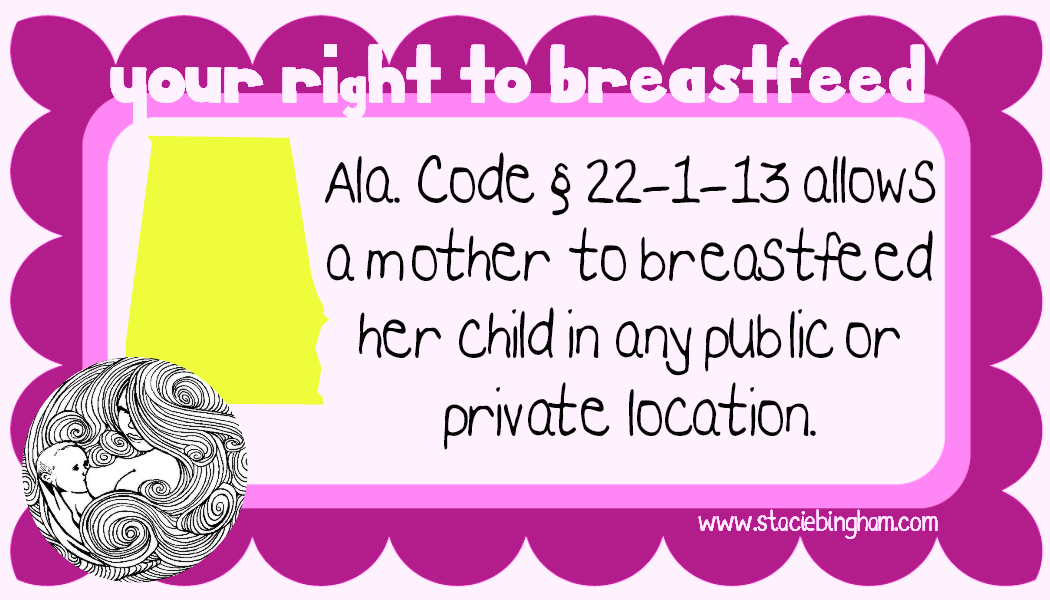
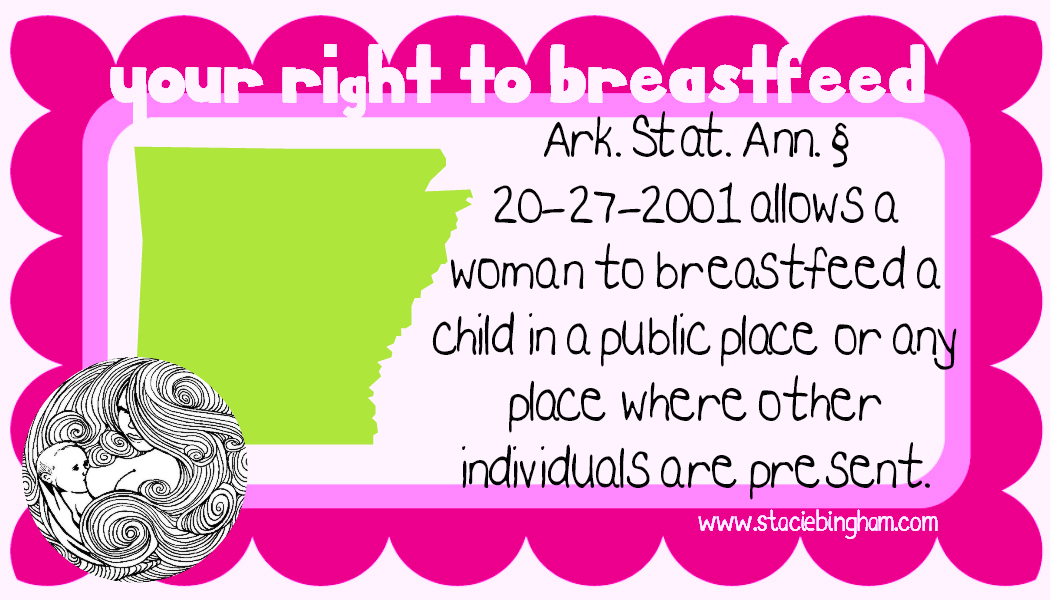
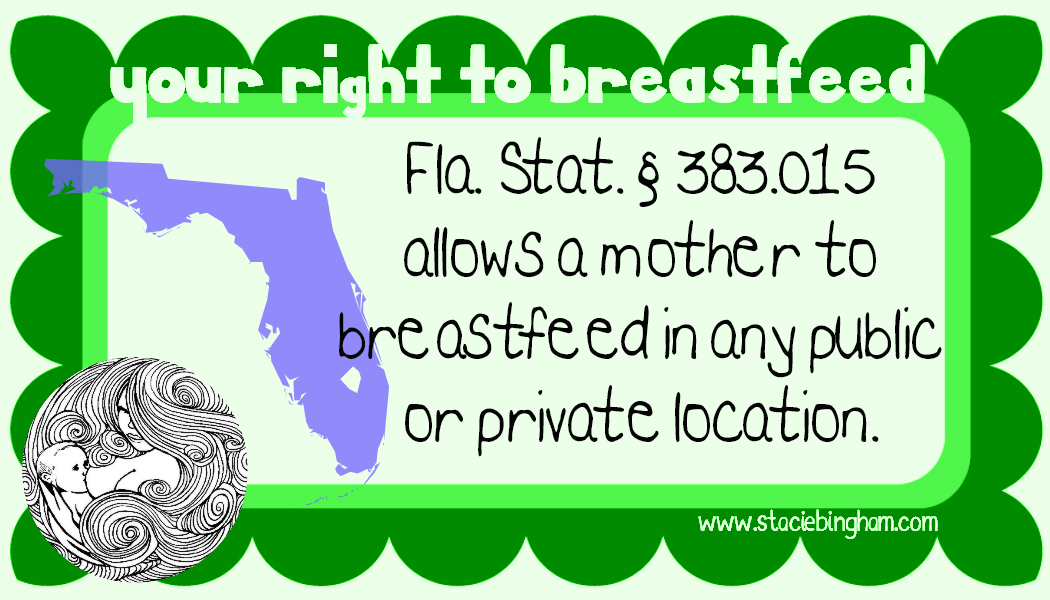
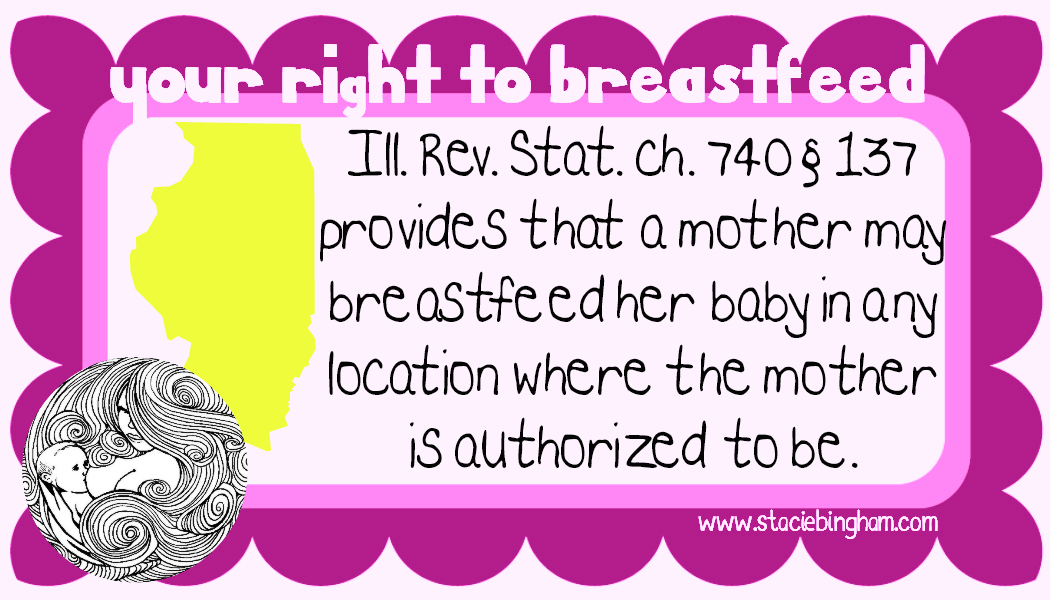
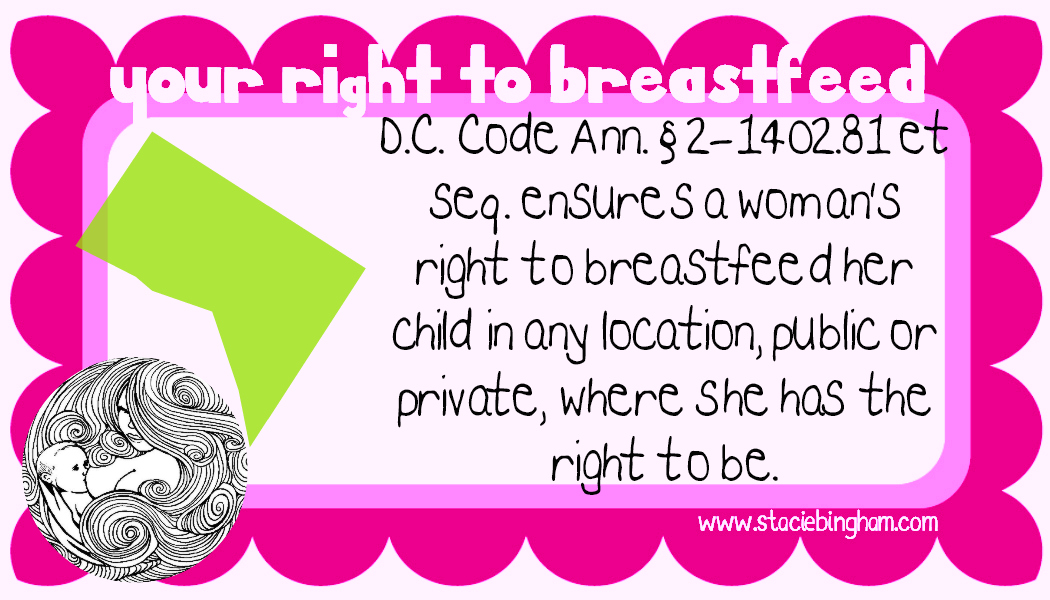
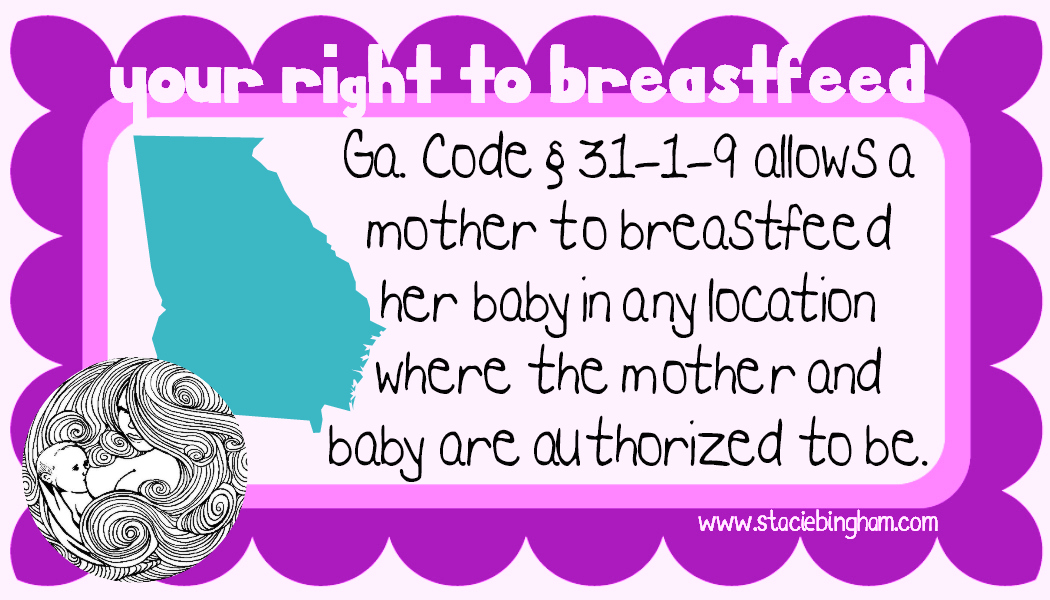
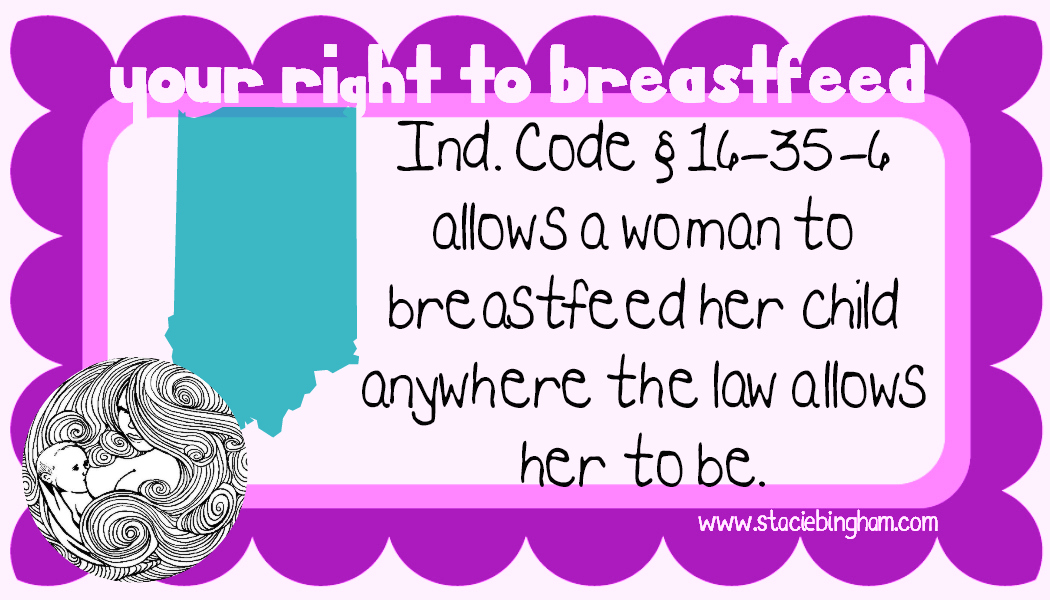
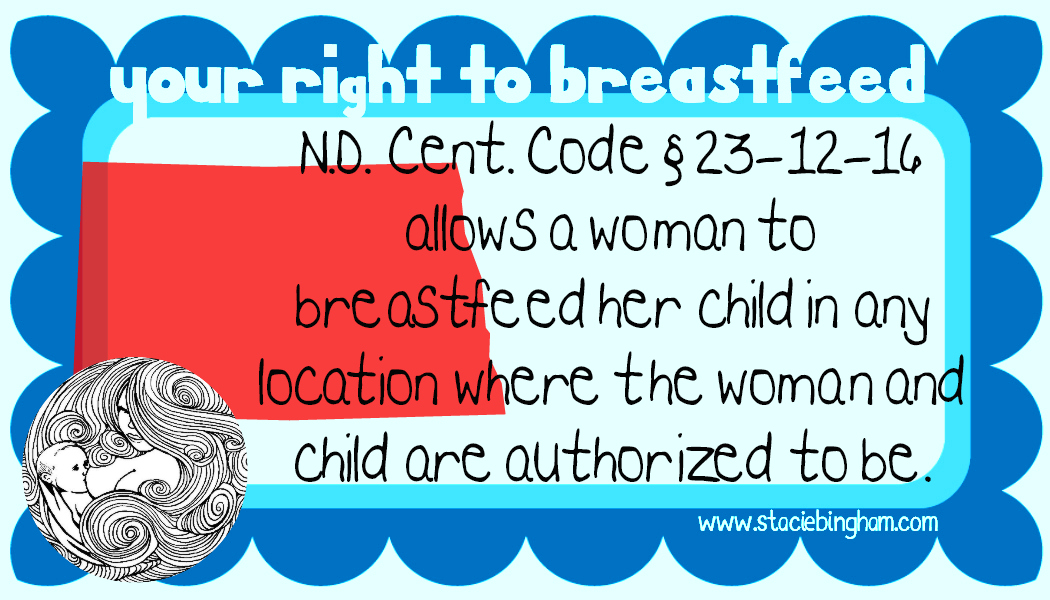
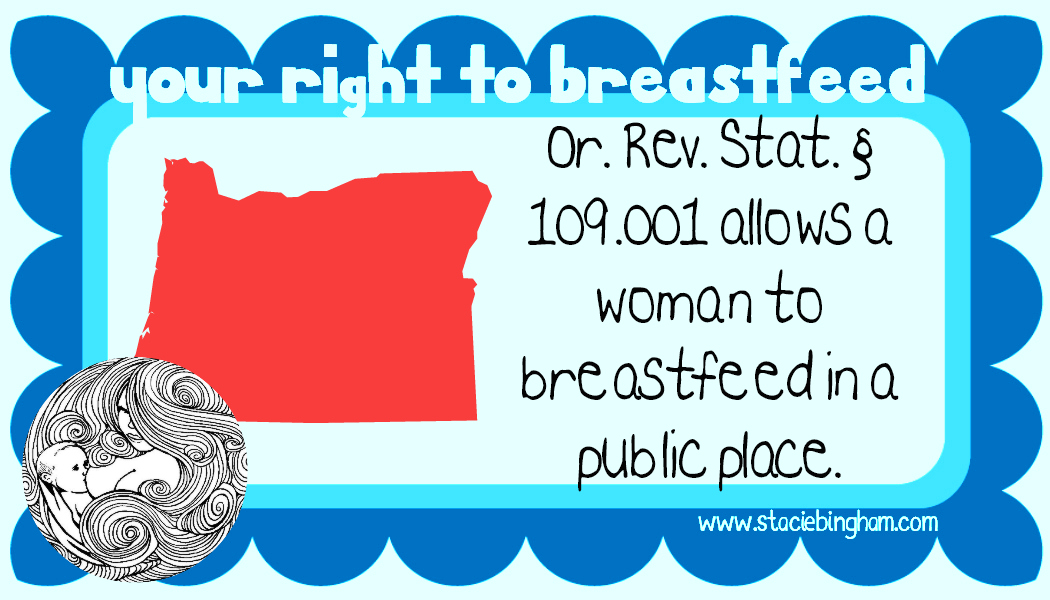
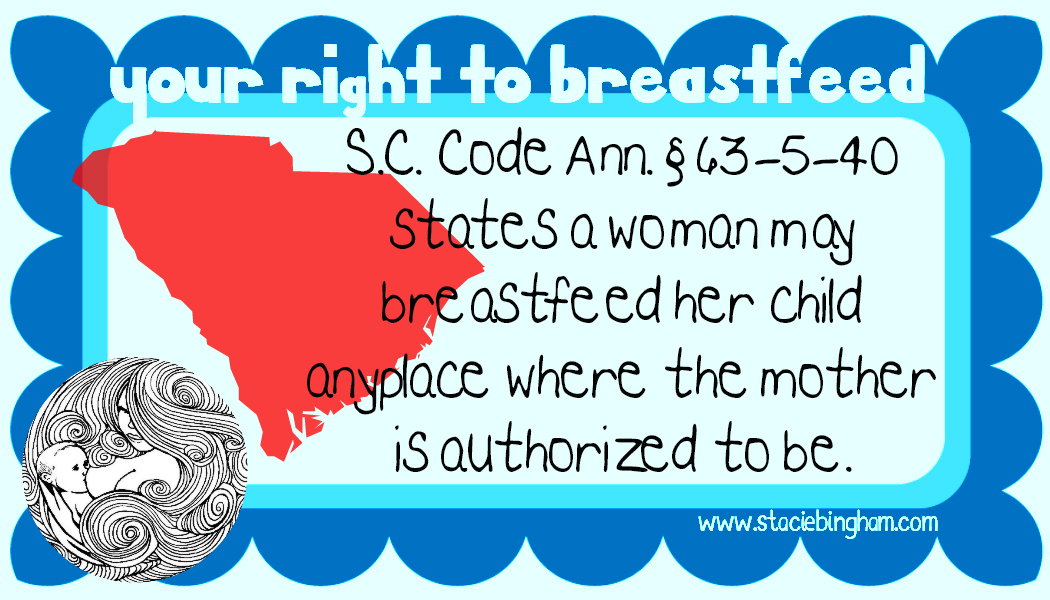
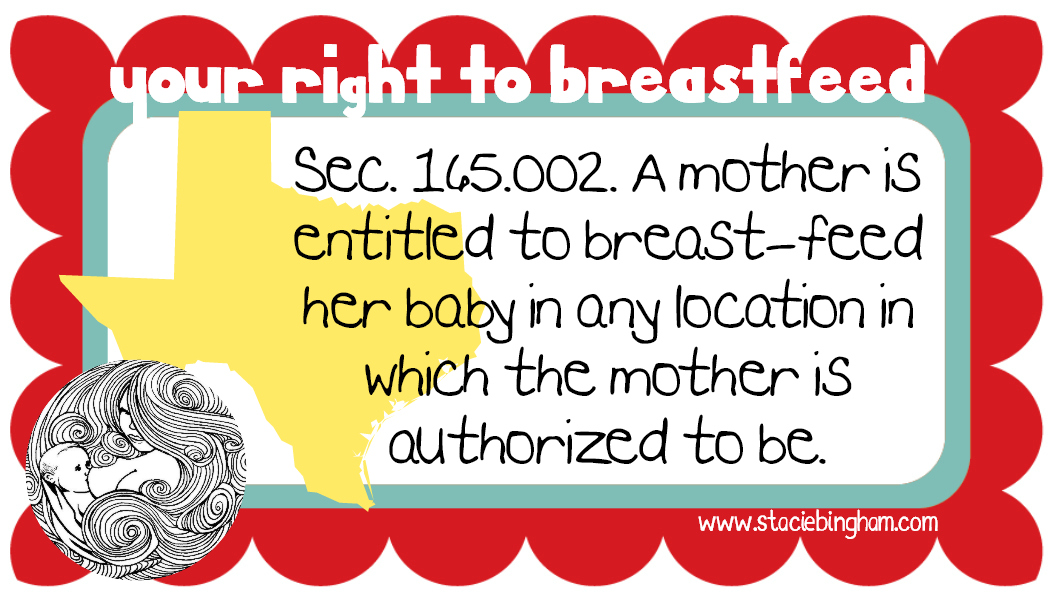
 So, hey – hi – I’m a mammal. And if you're reading this, chances are you’re a mammal, too. If you remember back to grade school, two characteristics mammals share are 1-they have hair, and 2-they feed their young milk obtained through mammary glands. 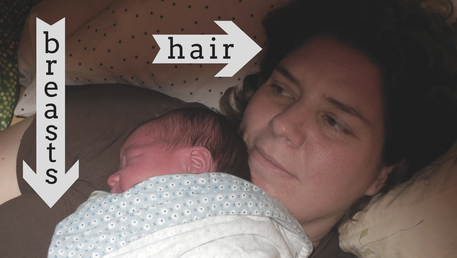 I checked -- I have both. How about you? As mammals, we are further divided into three groups. Unsure about what type of mammal you are? This might help: 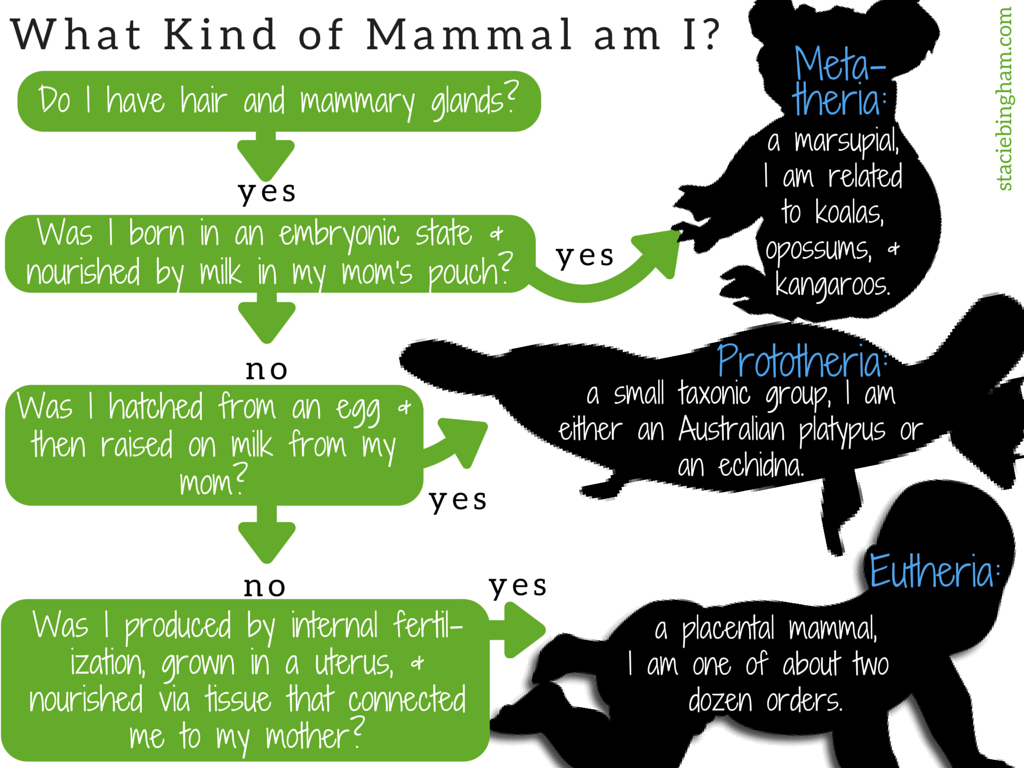 No matter what category you fit in as a mammal, you are biologically programmed to nurse your offspring (if you are female). While some mammals may not feel comfortable watching other mammals feed their young via mammary glands, it is an essential part of our make-up: Mammal young are fed milk from their mothers. Why is it distressing for some to observe this normal act of feeding? In his classic, 1967 book, The Naked Ape, Desmond Morris writes: So there he stands, our vertical, hunting, weapon-toting, territorial, neotenous, brainy, Naked Ape, a primate by ancestry and a carnivore by adoption, ready to conquer the world....For him, the main troubles will stem from the fact that his culturally operated advances will race ahead of any further genetic ones. His genes will lag behind, and he will be constantly reminded that, for all his environment-moulding achievements, he is still at heart a naked ape (48). Meredith Small furthers this nature versus nurture argument in What's Love Got to Do With It? The Evolution of Human Mating: "Although our American and European culture has highlighted breasts as something sexual, the reaction...may be more culturally molded than based on a biological urge" (28). You (general "you") see, as mammals, there is no need to be offended by the sight of a nursing baby -- it's just your (general "your") cultural beliefs and personal biases leading you (general "you") to feel how you (general "you") feel. I have learned, when it comes to communication and problem solving, when conflict arises, one examines who owns the conflict. Let's break it down:  Who has the problem? Not the Mammal or her Baby. So if you (general "you") are bothered by the sight of a baby feeding, YOU (oh, this is getting tiring! General "you") own the problem -- it's your (yes, still general -- but I'm about to get specific!) problem. Furthermore, our government in the US has provided protective laws in the case a baby may need to eat outside the home. This means, it is illegal to ask a mother to stop, go someplace more private, or leave an establishment if her baby is eating -- yes, even if it is bothering someone (show them this diagram and help them own their issues, to add to the rest of their baggage, I would guess). So it is plain to see, if we need to normalize breastfeeding, we must also normalize hair, single-bone lower jaw, nucleus-less red blood cells, diaphragmatic separation of the abdominal and thoracic cavities -- and the list actually goes on. As we like to say (sing) in our family: "It's natural, it's nature, it's part of nature's natural process..." By virtue of just being a mammal, these characteristics and abilities are inherent to our design -- they're built-in -- so let's not waste another second asking people to accept what is already basic biology. But you know who really needs to normalize breastfeeding? Birds. Think about it – they have neither hair nor mammary glands. As such, birds do not produce milk, nor do they feed milk to their babies. How will birds wanting to step out of the biological dictates of their class move past these cruel obstructions? How can they break through evolution's glass ceiling? I mean, they can already fly, and beaks are pretty sharp, but they still need our help. We must work for change. Every bird should be free to move toward choosing to nurse her young -- through time (I don't know how much time, I am not a biologist), birds might become the missing link between traditional mammals (specifically prototheria) and avian (and if we really came from reptiles, there is a connection between birds and snakes, right? I've seen Jurassic Park, after all). I BELIEVE WE CAN MAKE THIS HAPPEN! Sign the petition contained within the "comments" section below. Let's make that robin's red breast into something more than just poetic decoration. And if you think this is a futile battle, watch this propaganda video for the cause. Happy World Breastfeeding Week. Next year let's hope our feathered friends can join as well. Download Your Free Business Card Template: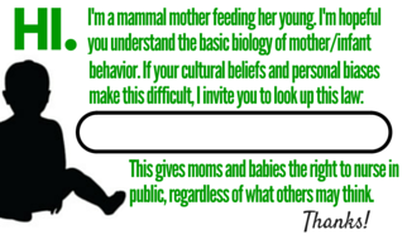 Look up your state's law and write it in the blank space. You could also print the law on the backside of this card. It is a bit snarky -- for a smoother option, try these instead. If It Didn't Come from My Head, It Came from Here: One of the cute mammals I live with (but don't nurse). When wondering if your baby might have a tongue tie or lip tie, many questions arise. Shared here are some visible, physical features babies with Tethered Oral Tissue may manifest. In dialoguing with hundreds of moms, these seem to come up again and again. These tips can also be helpful for doulas and other first-responders helping breastfeeding moms in the early days. 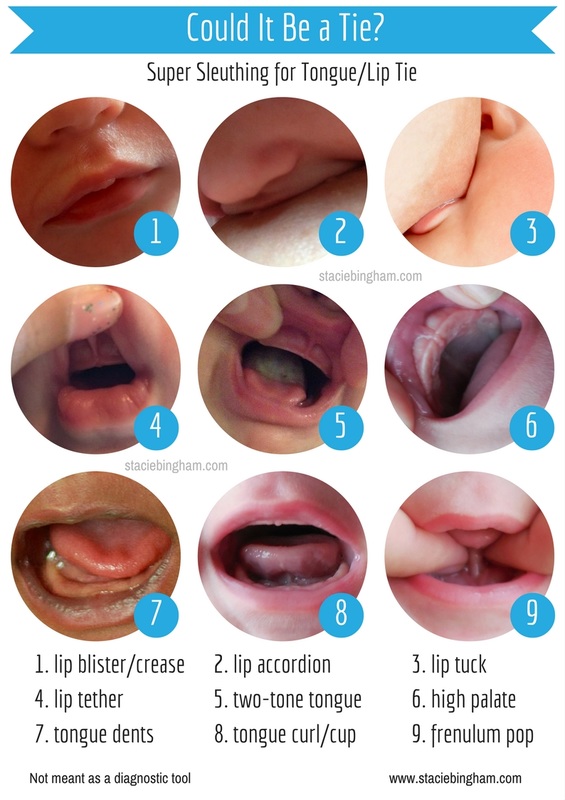 Before we begin, a few notes:
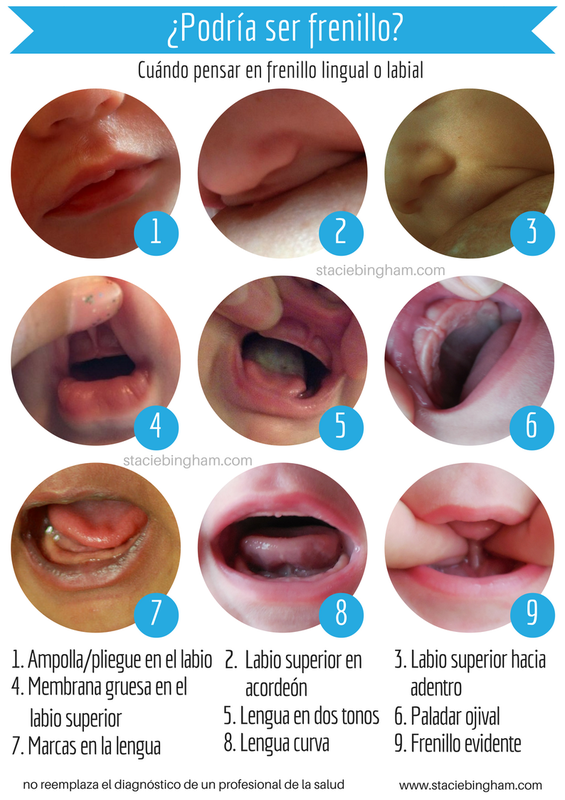
Image 1: Lip blisters are often thought to be a normal part of nursing, but these can actually be a sign of something more. That cute little callus under your baby’s philtrum could show he has to compensate with extra lip-grip versus being able to stay latched to the breast via a well-moving tongue and lip combo. An upper lip that doesn’t easily fan over the breast often folds (image 2) or tucks (image 3) during nursing. If baby has what I term “smeared lipstick mouth” after nursing, this shows the lip didn’t flange as it should. Of course this can be positional, as well; if this frequently occurs, even with increased attempts to improve baby’s latch, it can be something to super sleuth. Image 2: Accordion fan of a tight lip – see that horizontal line under the nose? Instead of opening to the breast, the upper lip folds. The crease will show as a red line once baby unlatches, as in image 1. Image 3: Another compensation for a tight upper lip is that it tucks inward. Some moms can manually turn out the lip by sweeping with a finger; other moms report the lip seems to turn into a tight band of tissue that is difficult to manipulate – it depends on the flexibility of each baby’s frenulum and lip. Image 4: An easy way to get an idea of potential for tongue tie is to flip the upper lip and see how the frenulum attaches to the gums. This is less invasive than digitally checking your baby’s tongue. Many professionals agree, 90% of the time there is an upper lip tie, there is likely a posterior tongue tie. This can be a key in deciding how to proceed. Figure 5: “Two-tone tongue” is a phrase Cathy Watson Genna shared with me when I mentioned something I noticed on my own baby. It is often mistaken for thrush, but often there is a line across the tongue, unlike thrush which can come in patches and doesn’t seem picky about where it develops. If the tongue has impairment in function, it doesn’t get the normal help shedding cells (think about a tongue scraper), and the white color reflects that. Figure 6: Another low-hanging fruit feature is how a baby’s palate looks. When a baby cries, yawns, or is just hanging around, you can often take a peek to see his palate. Ideally, the palate is a horseshoe-shaped, wide surface, because proper swallowing and tongue movements shaped it before birth. Babies with restrictions often have vaulted palates – arch, bubble, channel, or otherwise, due to their inability to make these ideal movements. Figure 7: I don’t know if there is a technical term for this, but many moms report their babies have “tongue dents.” These dents can occur as the tongue is being pulled by the underlying restrictions. Figure 8: When crying, a baby’s tongue may curl or cup up. Again the force of the restriction is controlling the range of the tongue’s motion. Figure 9: If you feel brave enough, and baby complies, you can try to feel for the frenulum yourself. Your baby may be upset by this, but as his parent, your fingers will be the most comforting to him – so if you are really wondering what’s going on, get in there and see for yourself. Place baby in your lap with his feet at your knees and come in from above his face. Gently use your index fingers to try and lift his tongue...and better if you have a partner ready to snap some pictures. I don't claim to use proper terminology. I always welcome feedback and corrections. Find me on Facebook. Much appreciation to Dra. Kelly Marques Oliveira, IBCLC, for translating this into Portuguese. Additional ResourcesTongue Tie Babies Support Group, on Facebook. A peer group with over 20,000 members. A great place to learn local option, ask all your questions, and get support from other families impacted by ties.
Advocates for Tongue Tie Education (ATTE) is a group for parents and professionals. Resources on their website include parent info sheets, educator packets, provider toolkit, and a tie gallery. They also have a Facebook group. Catherine Watson Genna is a treasure trove of information. She is a woman with vast experience and an inquisitive mind, and she offers her knowledge on her website, in books and papers she authors, and in presentations that she travels around the world to share. Dr. Bobby Ghaheri has been exploding with informative, relevant blog posts. He is not only an incredibly experienced ENT who performs revisions, he is also a father and husband whose introduction to the world of ties came through his wife and baby. Dr. Larry Kotlow has a great site that can be a starting point for any parent looking for pictures and presentations. Beverly Morgan is an IBCLC who wrote an exhaustive article full of tons of links, and she shares her own experience of revision as an adult. Dr. Brian Palmer made extensive contributions to the world of breastfeeding and infant oral health. His website addresses ties, palate and jaw development, caries, and more. International Lactation Consultant Association is the best place to find an IBCLC who can assess and evaluate a breastfeeding dyad's situation. International Affiliation of Tongue-Tie Professionals (IATP) is the leading professional organization, and IATP offers resources for parents as well.  I cannot even pretend this was my original idea. I got this from Linda J. Smith's book, Coach's Notebook: Games and Strategies for Lactation Education. In "Who's Glad You're Breastfeeding," Smith offers a list of family and community members who see the benefits of breastfeeding.
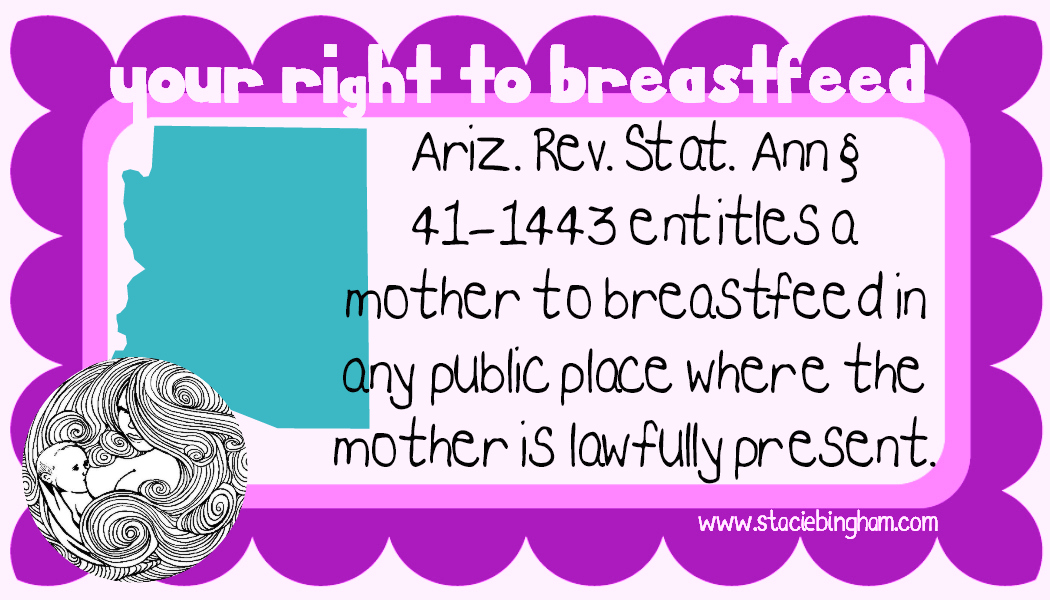
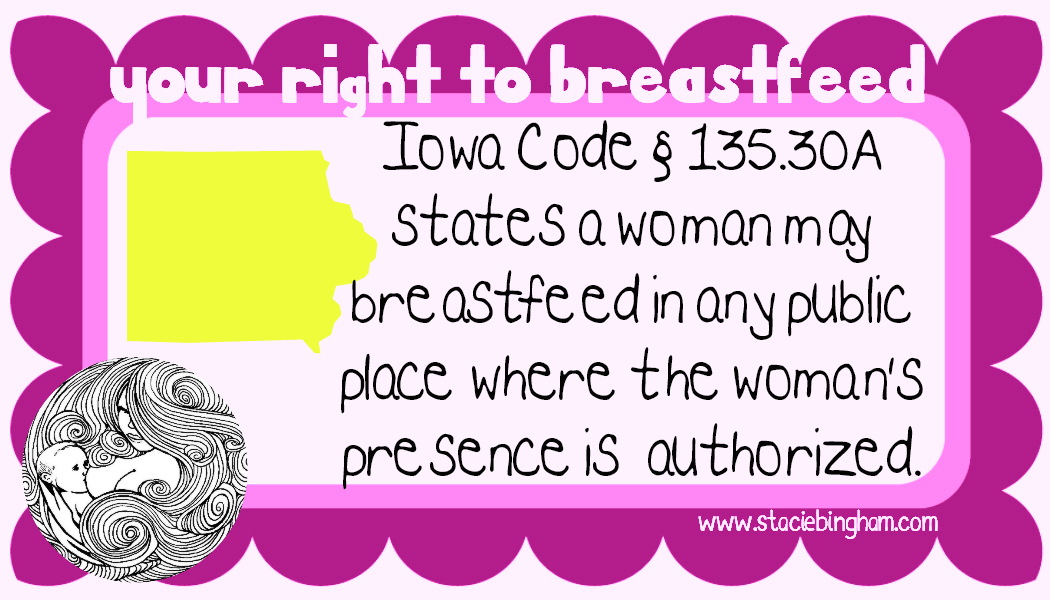
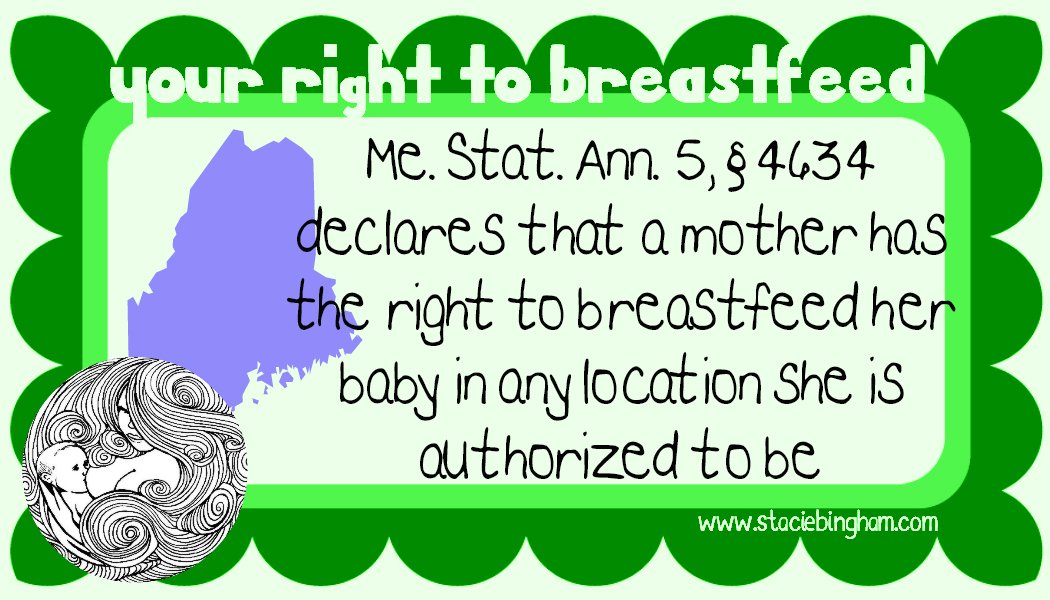
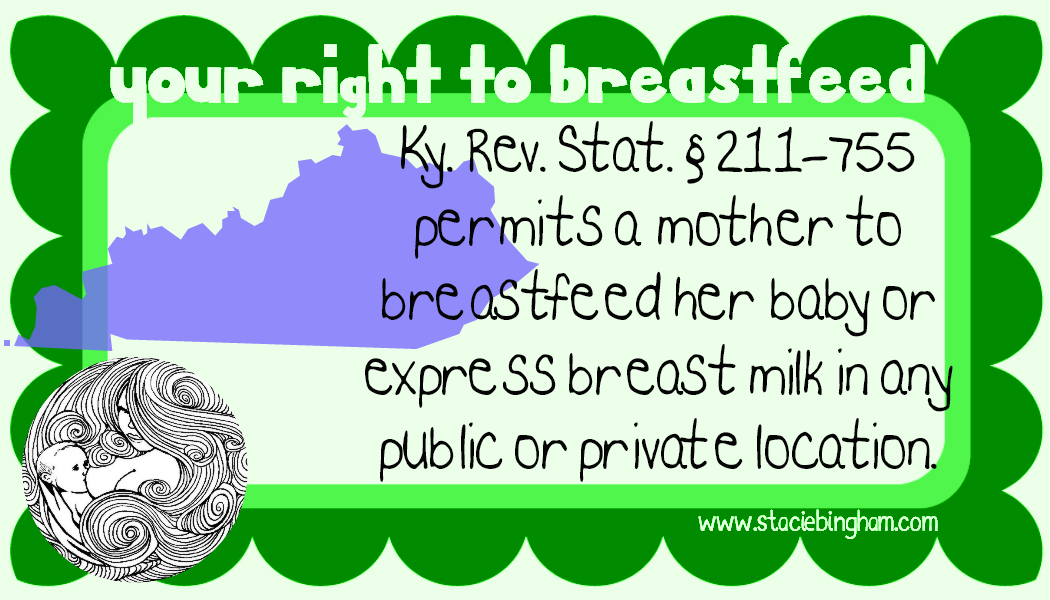
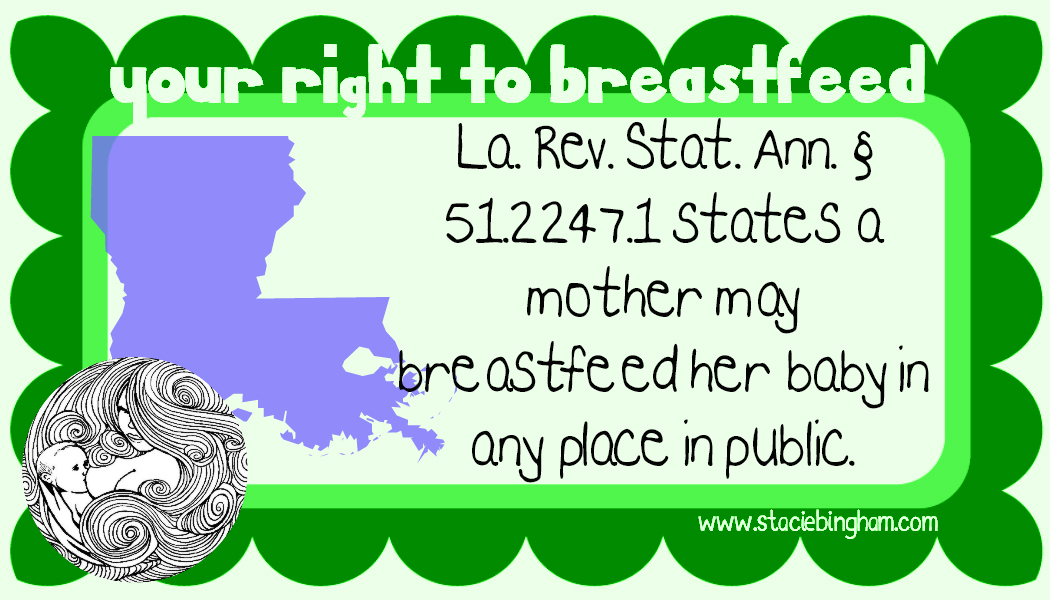
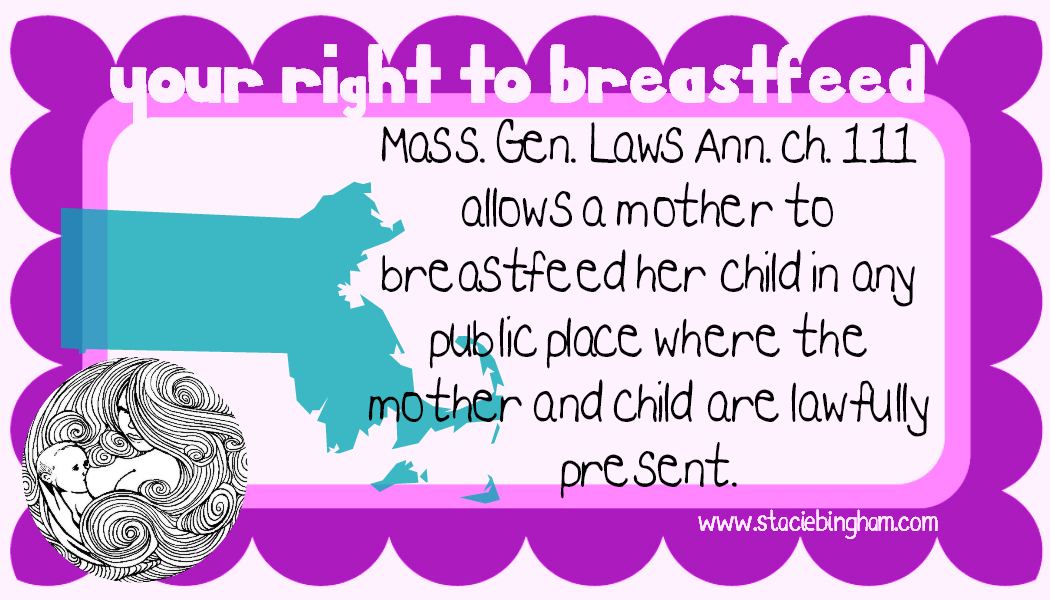
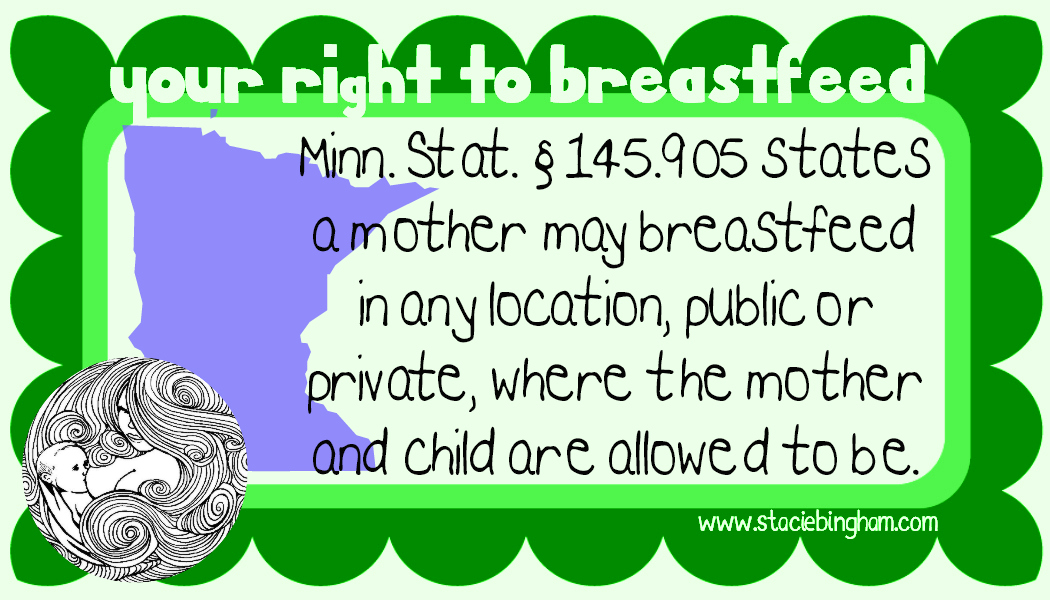
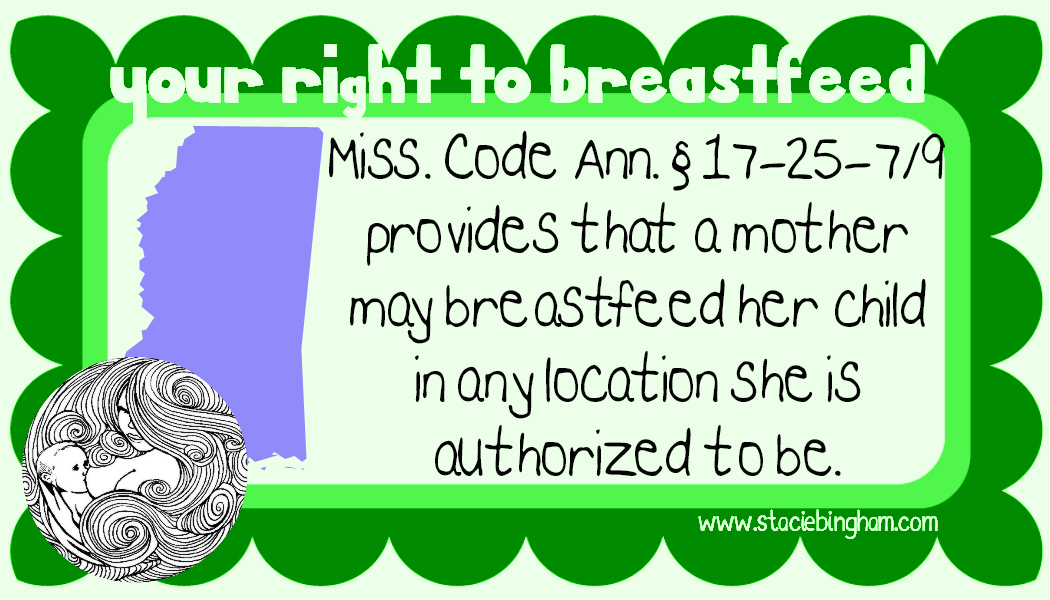
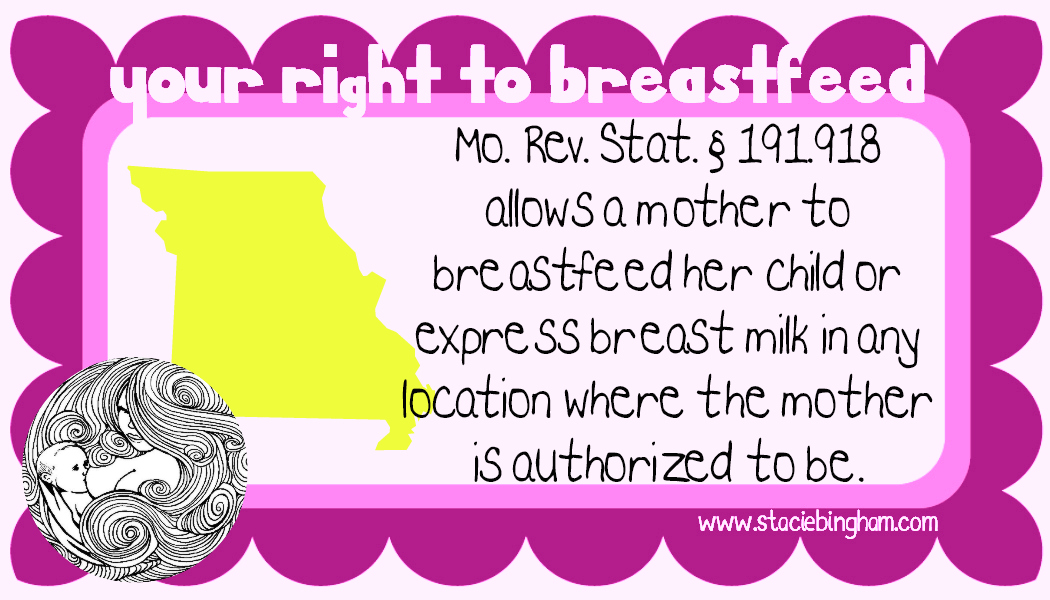
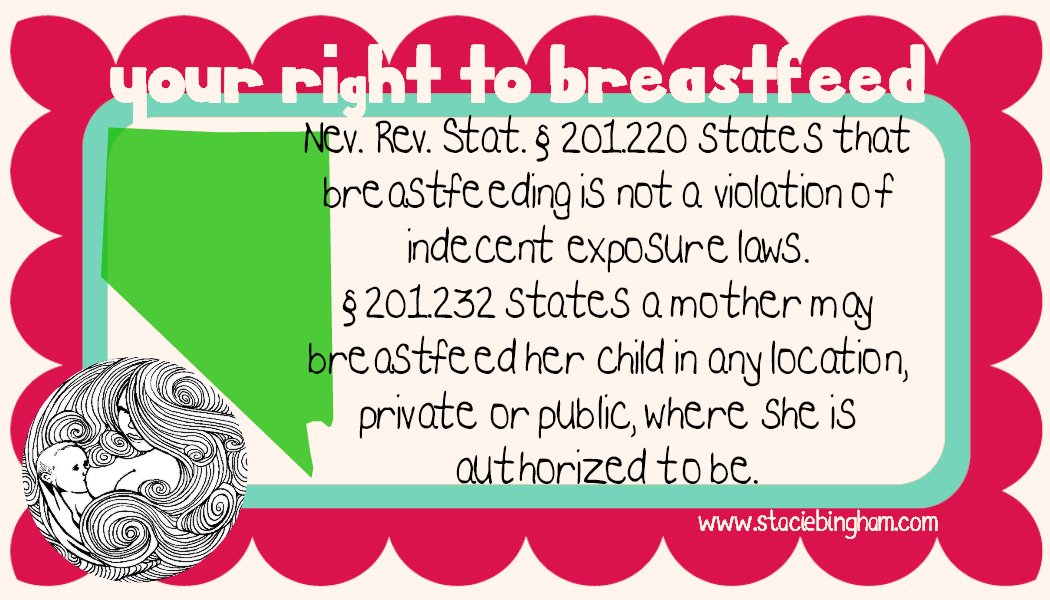
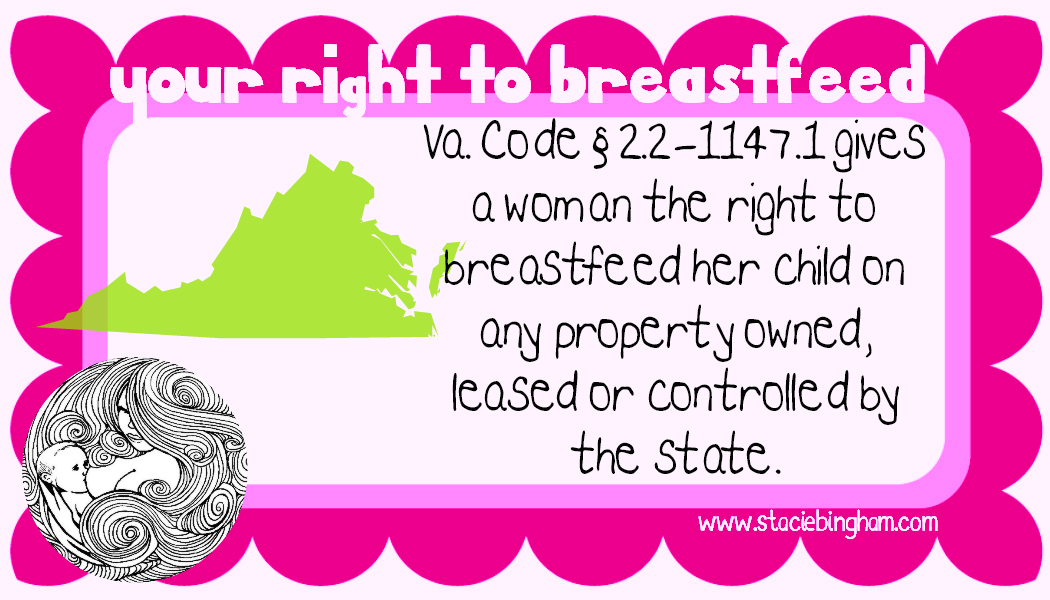
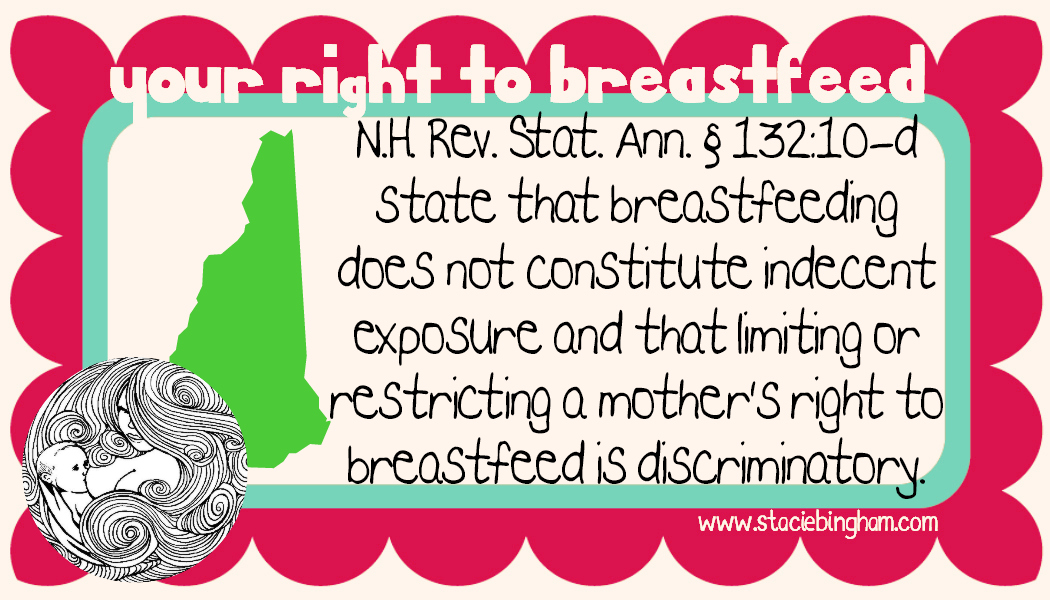
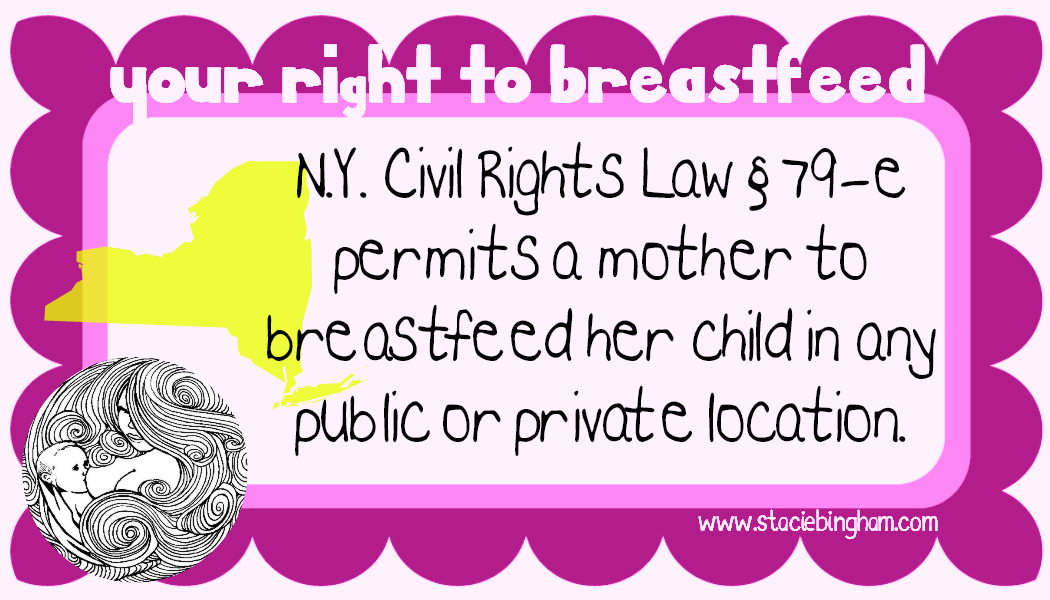
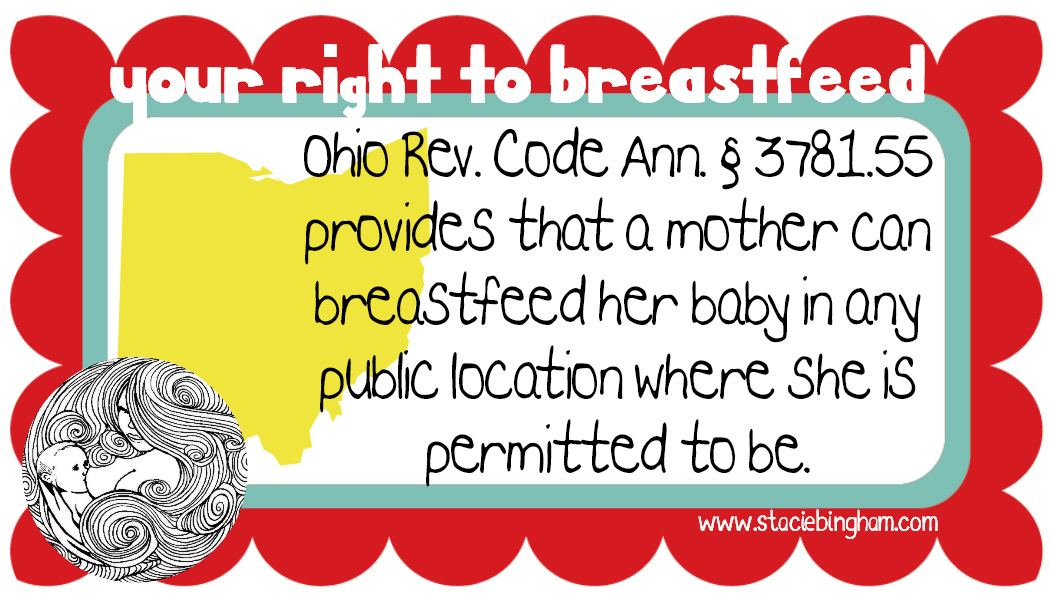
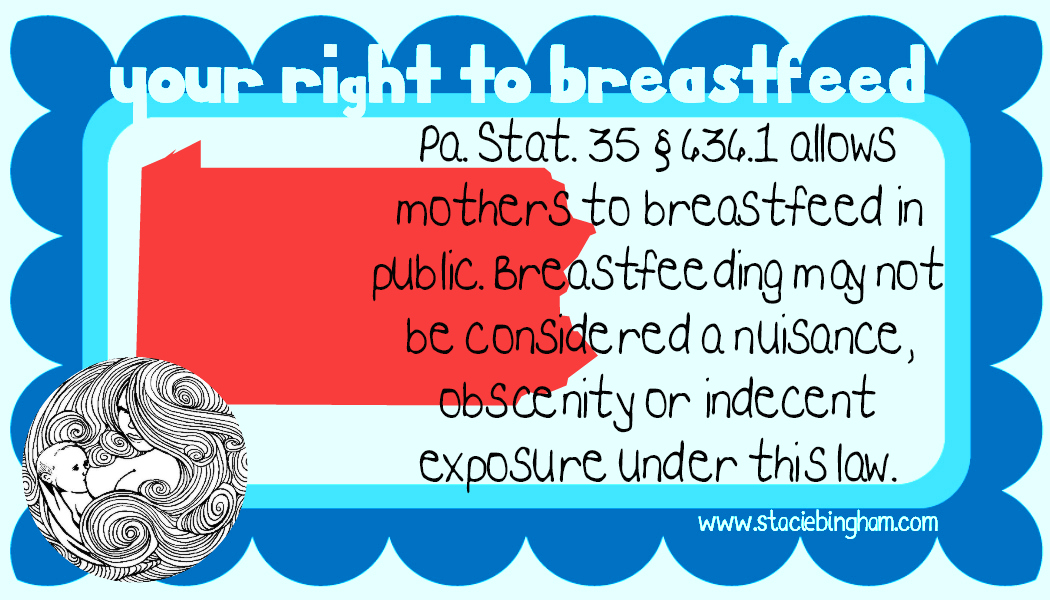
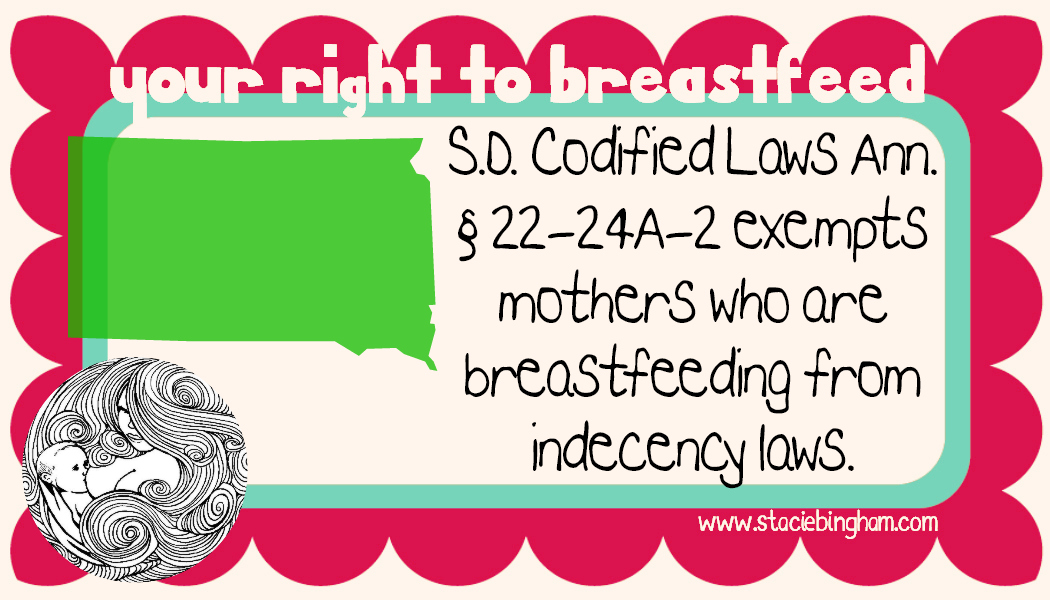
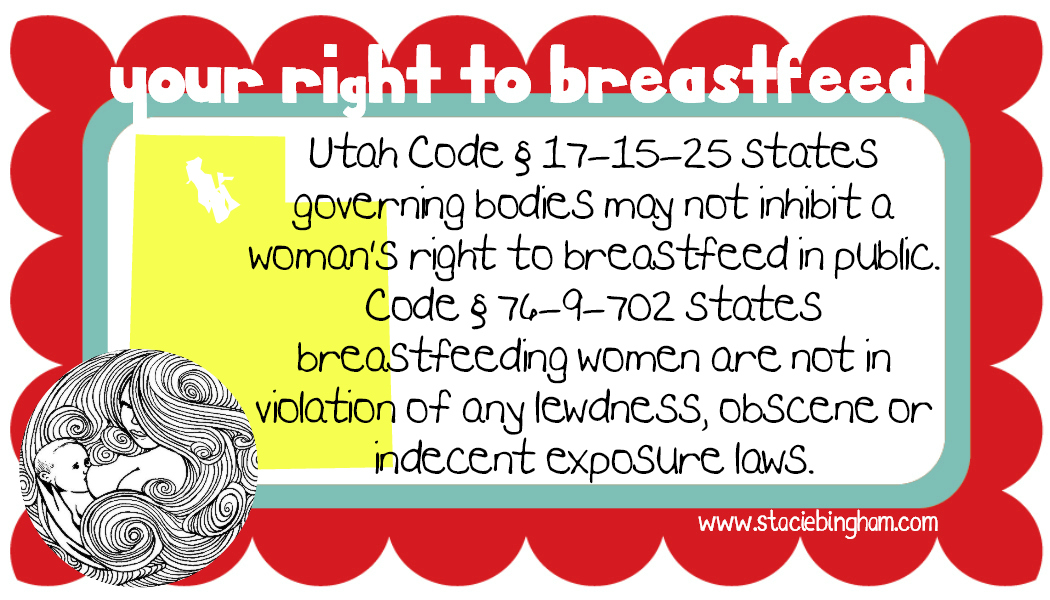
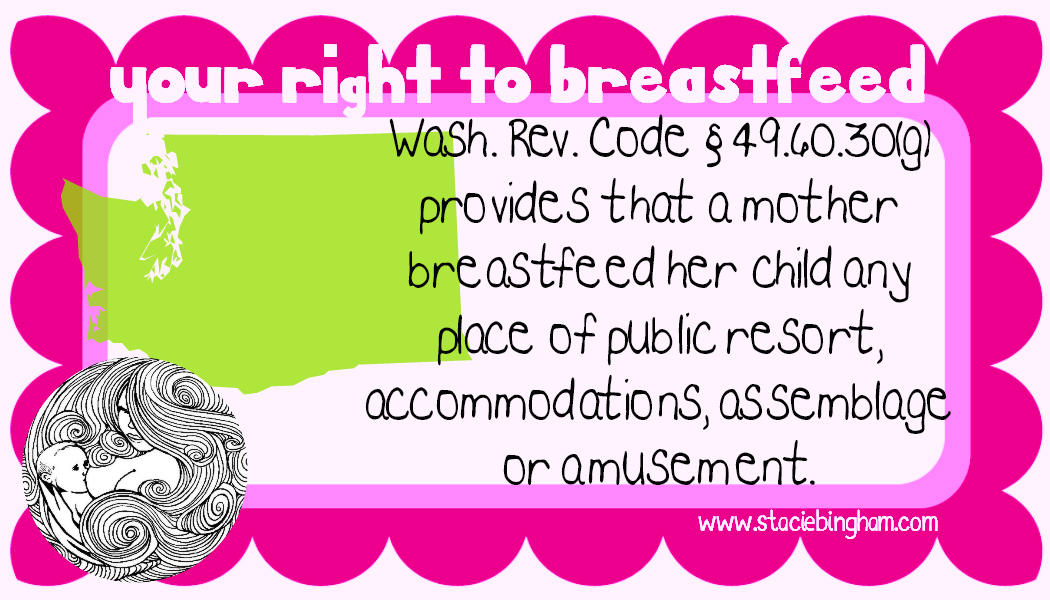
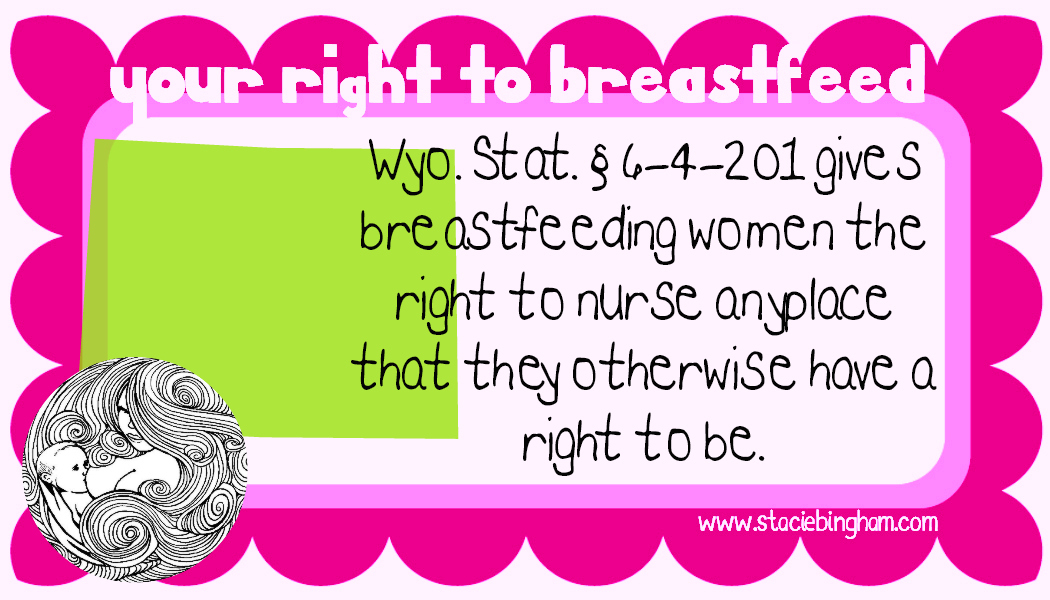
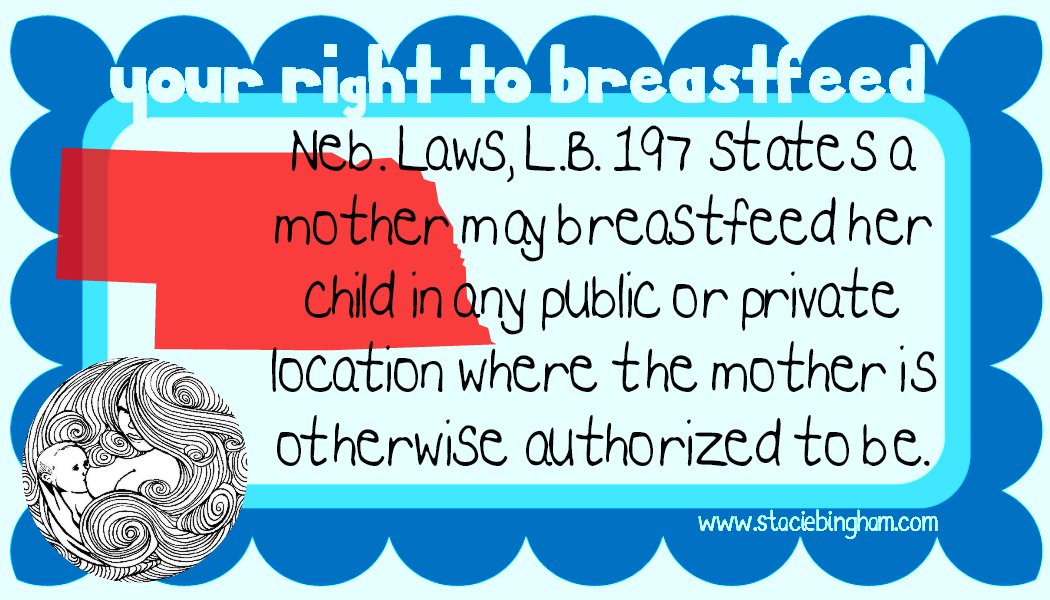
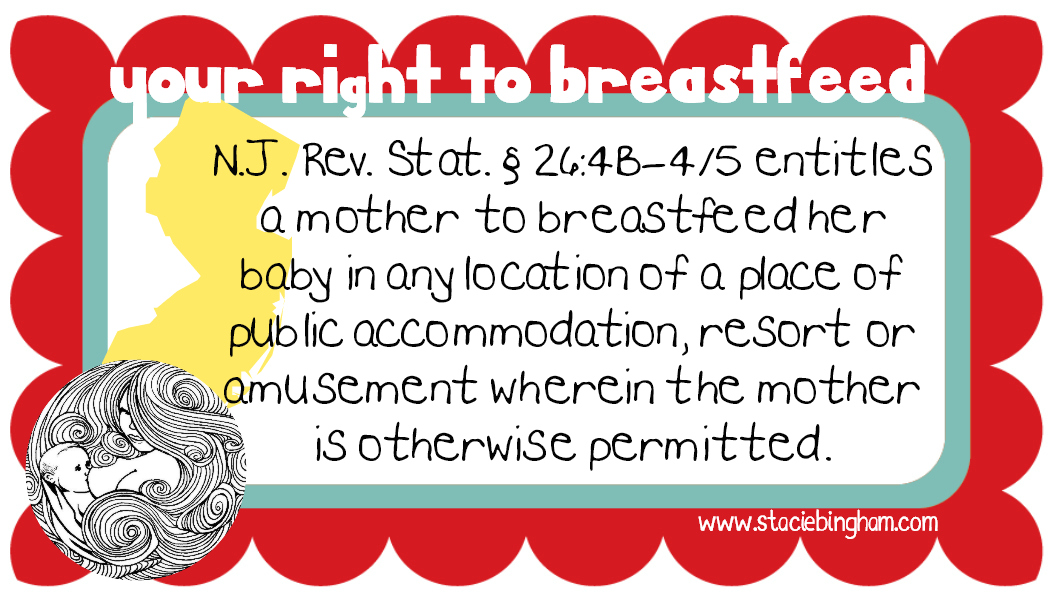
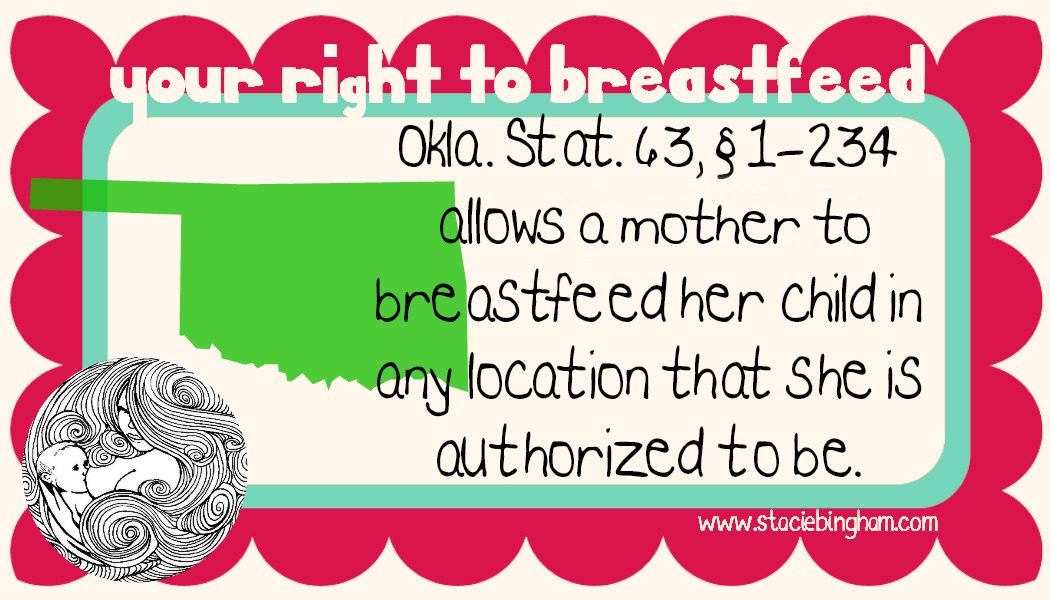
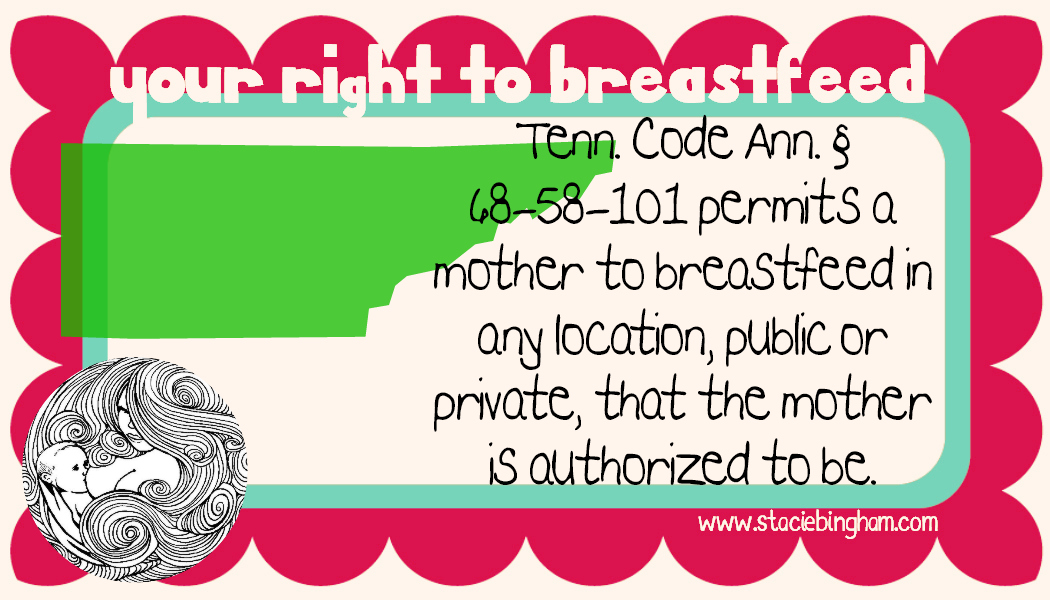
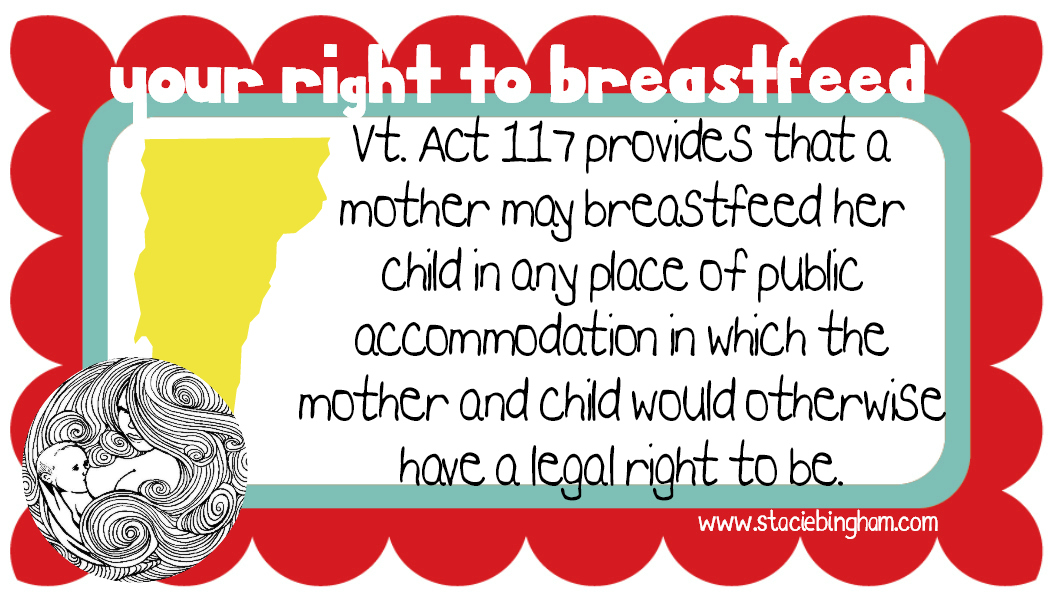
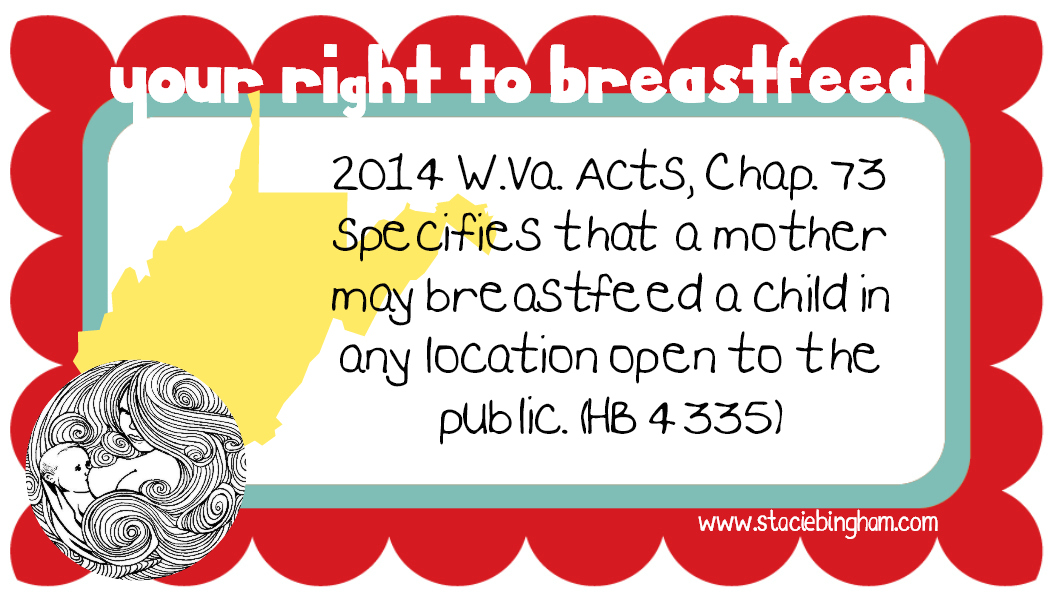
I came across a pack of adorable thank-you cards at the Goodwill for $.99, so of course I picked them up with this activity in mind! I took 10 of Smith's suggestions and hand wrote thank-you notes for moms in the group to read out loud. As a modification, I had them withhold who the note was from and the rest of the group had to guess based on the information shared. For example, the one I shared in the picture says: "Dear Breastfeeding Mom, Thank you for breastfeeding. Your child's athletic ability gets a boost from better eye-hand coordination and motor development. From, Future Sport's Coach." Smith has a list of 21 people "glad" a mom is breastfeeding, including her partner, her accountant, er dentist, her OB, her garbage collector, etc. After we read through the 10 I created, I asked what other benefits moms knew about that we hadn't covered. We also, tongue-in-cheek (but maybe not?) composed a letter from a mother-in-law to her breastfeeding daughter-in-law -- maybe as an attempt to imagine what we might appreciate hearing? Nevertheless, it was a fun group activity! As part of another project for World Breastfeeding Week/Breastfeeding Awareness Month, I made business-card templates for the 50 US states; actually, I should say 49 US states plus Washington DC (Idaho does not have a law that gives a woman a right to breastfeed in public -- only one that may exempt her from jury duty). Feel free to download and print, and of course share online and in real life! If you spot any errors, please let me know as I did a lot of this while entertaining/nursing my own busy toddler! 
 Today marks 33 years of the WHO code, or the International Code of Marketing of Breastmilk Substitutes. Social media outlets of all kinds are trying to inundate businesses today who choose not to comply with this code -- add your picture to show your support. In my post about getting a breastpump, I mentioned the WHO-Code and different companies who are or are not in compliance with the code. But what is the Code? And who cares? Or should I say, WHO cares? Here is a break-down: 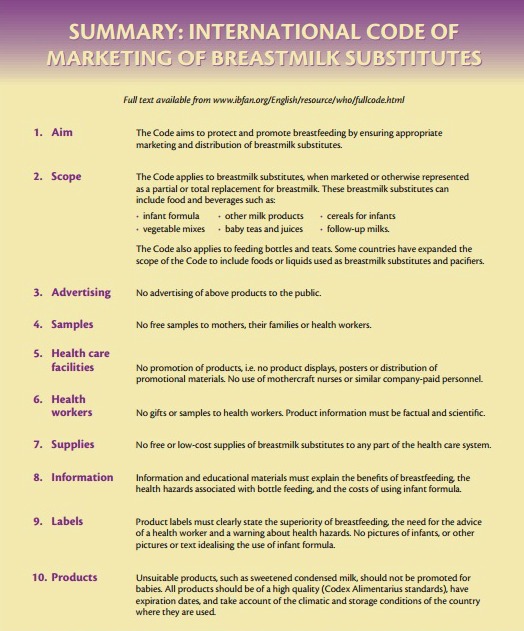 Everything that was decided was done so in order to protect breastfeeding and breastmilk. We know not everyone can breastfeed, and not everyone chooses to breastfeed. Formula isn't the subject up for debate -- it is a necessity in our world and it is the safest option we have for babies not receiving breastmilk. But the way formula companies advertise undermines breastfeeding.
For example, have you noticed advertising often depicts breastfeeding moms as lounging in their beds and their pajamas all day? Or surrounded by expensive-looking gourmet or "extra-healthy" food? The message is simple: To choose to breastfeed, you will be tied down to you home, your bed, your pajamas, and you baby -- and you must eat costly food to be healthy enough to nurse. Moms depicted giving their babies bottles of formula, on the other hand, look put together, dressed professionally, ready to take on the world with their awake, alert babies. Or better yet, just a cute baby alone with her bottle, showing independence! Celebrate the making of the WHO Code, and the businesses who choose to comply with it. When breastmilk is not the option, we know formula is available. Unethical marketing practices only serve to hurt moms and babies. 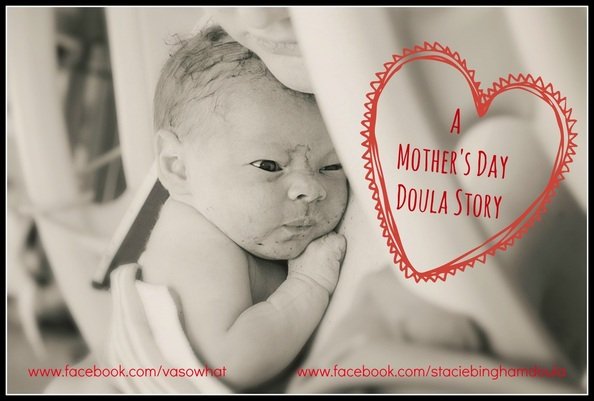 I met Falen through Tongue Tie Babies Support Group. When she suggested this post for Mother's Day I was thrilled, and I cried through the whole thing! Have your tissues handy! And all I can say to Falen and Dona is, thank you! Thank you! Thank you! For sharing this gift with us. Falen: My Mother, My Doula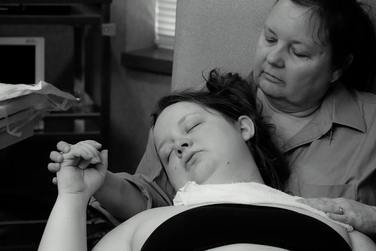 I knew I wanted a doula even before I became pregnant. The support that comes from being surrounded by a community of supportive women is unparalleled. But just who would that person be? Could that person be the one woman who has been there my entire life? I knew my mother has long aspired to become a doula, to support mothers in birth. Not long after I told her we were expecting I asked the big question, will you be my doula? I was nervous and excited. She was too. She signed up for training right away. The day of my son’s arrival finally came. I called her in the wee hours of the morning to let her know that this was the day. She drove three hours from her home to mine to be there for me. She came prepared, ready to put her newfound knowledge to work. I had been laboring for hours through the night by myself, pacing back and forth. It was so nice to have a familiar hand to hold to keep me grounded. When I was ready to go to my birthing suite, to get the relief of the big Jacuzzi tub, she helped me call my midwife and made sure all of my bags were ready. She packed up the cars along with my husband and followed behind us as he drove us to the hospital. When we arrive in our room, she carefully and quietly surveys the room to make sure my birth plan wishes are being honored. She assists me in communicating with the nurses as the contractions already a couple minutes apart come and go. We begin to move around the room with a rhythm. She follows me wherever I go. Holds my hand, offers her body for support. She runs her fingers through my hair or just sits quietly as I rest when my body allows. As the day wears on I know she must be exhausted, her body must be tiring. But she never shows it. She just keeps offering herself to me. She supports me as only a mother can. 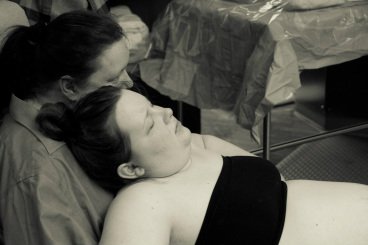 The following are the words I wrote about our experience just days after my son’s birth: “How can someone perform so many roles and perform them so well, so seamlessly? Every touch radiated love and care. Every look raised my confidence. When I thought I couldn't possibly go any further, her presence told me I could. She did it. I can do it. She is here to support me in every moment. She is here through every contraction. She is here through every second of pure exhaustion. She is nervous and anxious but she never shows it. She is strong. She is strong for me. She labors with me. She pushes me through. She shares in my joy. She shares in my love. Our bond only grows stronger. I now know how she feels, what being a mother really means. It can't be described, only felt, only lived.” I can’t imagine my son’s birth without her. I can’t imagine becoming a mother without my own by my side. It didn’t stop there, though. She stayed with me through the toughest time of my life. She had planned to stay a few days while we settled in to our new routine. But something wasn’t right. My son wasn’t nursing and he was losing weight rapidly. She urged me to see a lactation consultant and went with me. At the consult he was weighed and I was told I should see his doctor immediately. The lactation consultant made an appointment for us and we went straight there. After the visit with a doctor we ended up in the NICU. They had to transport him to another hospital when he became unstable. My mother, my doula, held me up as I walked down the hallway and out the doors of the hospital without my son. This was the hardest moment of my life. I felt like my everything had been ripped from me. She drove me to the NICU hospital and held me as we waited to see my son again. She held me in the NICU room as I stood there staring at my son hooked up to machines. She held me and her grandson while I struggled to nurse him. She was there through it all. They made her leave after hours. But as soon as those visiting hours started she was there. Even waiting outside the door for the clock to strike so she could come give me the support I so desperately waited for through the long nights. After we returned home so did she. I was so sad to see her go. But I knew with her encouragement and love that she had given me over the last few days that I could do it. I could be the mother I needed to be. And of course I could call on her during those quiet moments of doubt when only she would understand what I was going through. For only she was there to feel it all with me. Dona: Mother, Nana, Doula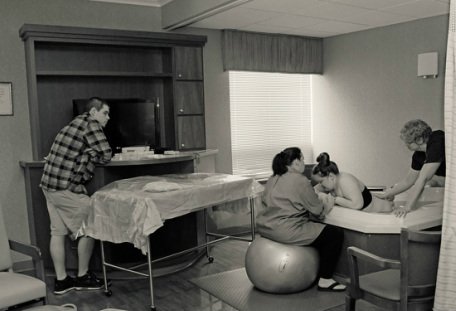 When my daughter asked me to be her Doula, I was so honored and excited. Not only was I going to be able to finally be a doula, something I had only dreamt of, I was going to be there to assist my daughter. I better get to work, I thought. I had to learn all I could. I wanted to be at my best, after all, this was MY daughter and MY grandson. To say I was overwhelmed is an understatement. I did my best to listen to my trainers. I also read every book I could get my hands on. One of the most important things I think I did was to talk to other Doulas and Midwives about their experience. The day finally came. The three-hour drive in the wee hours of the morning was the longest ride of my life. I was on the hands-free phone with her most of the time, checking contractions, praying that it was God’s will for me to be there when she needed me. As I arrived, we went over her home plans and realized she was in active stage and could get some relief from the big Jacuzzi in the birthing suite, so off we all went. On the way to the hospital I thought, am I doing this right, am I saying the right things? As we arrived I went over her birth plan. Was the room dark enough, was it quiet enough? Making sure every support staff had copy of her plan. Her labor was long and at sometimes it seemed that way. In other ways it seemed to go by so quickly. She received relief from the Jacuzzi. Finally I was able to see my daughter (yes, she is my daughter and client all at once, but my heart said daughter at this moment) calm and relaxed. I remember running my fingers through her hair as I did when she was young, thinking my baby is having her own baby. Holding her hand as we had millions of times before, but this time was different. 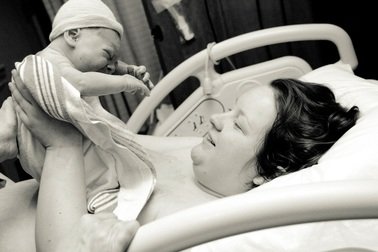 The hours went by and I assisted her in about every laboring/pushing position you could think of (if you’re a doula you know what I mean). She was exhausted, I was exhausted, but she pushed through. And then finally her baby crowned, and she pushed through the head. Part of her birth plan was that she had wanted to be able to touch the head and that she wanted her baby to hear her voice first. Her midwife placed her hand on the baby’s head and with a finger to my lips I reminded everyone to be silent (what my daughter didn’t know is, that she had pushed the baby's head all the way out and the baby was looking at us with great wonderment). It seemed like hours as we all waited patiently in silence. Then when she was ready, the last push, and he was here! I can’t explain the emotions I was going through. The love that I had for my daughter at that moment was like no other time before, the bond that I already felt for my grandson, and the pure physical exhaustion. I was a Mother, a Nana, and a Doula. Falen currently teaches full time. She aspires to become a lactation consultant after her challenges breastfeeding her son. "Like" her blog to follow her and read her musings and experiences.
Dona currently teaches full time while working toward becoming a certified birth and postpartum doula through DONA. She plans to help teen moms who would otherwise be unable to afford a doula. She serves the greater Detroit area. Contact her via email. When I read this piece by Sejal, I was surprised by things I had never thought about before -- she makes some excellent points about how we care (or lack thereof) for our new moms in this culture. While reading, I longed to have the kind of nurturing of new moms she says is common in her culture. This loss is what inspired Sejal to work as a postpartum doula. Sejal saw a need, and she worked to fix it. I can't say how that touches me -- it is a reminder that we can all work for change, one at a time, and even though there seems to be so much to do, the moms, babies, and families we help will benefit from our heart and hands. Mother-friendly Care Initiative Postpartum period, the fourth trimester, maternity leave time, call it what you may but this is the most underestimated time for new mothers in America. We have made gender equality, marriage equality and other things a priority, but until we make the postpartum period a valuable commodity to be invested in we are not building a stronger future generation. I am a postpartum doula and I came to America and fell in love with this country. My home country India, is where I learnt the basics of postpartum care growing up in a family of women taking care of each other during the time after the baby arrives. After years of helping my friends during their postpartum time I decided to make this passion of mine into something that could be used for helping moms who are not my friends and family. The amount of time needed to rest after giving birth cannot be generalized as each and every mother who has given birth recovers differently. We have all the information on speeding up the postpartum recovery, but we fail to realize that it is a rebirth of the mother too. Baby steps are not just for baby but they should also be for the mom. The uterus, the vagina, the abdominal muscles, the breasts and the entire endocrine system go through a reorganization in the time following birth. All of these systems need time to heal and some more than others. Let us all unite to value the postpartum body and its recovery and help the new family have a wonderful time together. How do you get the rest when there are dishes to be done, laundry to be folded, house to be cleaned and baby to be fed? The postpartum doula will be there to help you with all of those and other things so you can have more time bonding with your baby and creating beautiful memories for your new family. Sleep deprivation, stress from delivery, blood loss, pain associated with cesarean recovery, hormonal changes affecting the mood, and household chores are just a few challenges faced by a new mother. Add to that the worry that comes with taking care of this precious being who is solely dependant on the new mom is not a small challenge. The incidence of baby blues or postpartum depression in other cultures, including mine from India, are so less that it is sure in my mind that if women get the help at such an important transitional time as a new mother we could change the statistics in America too. The dads need help too, and why not? There is enough research supporting that. ASKING FOR HELP does not make anyone weak, but on the contrary, it makes you see the REALITY and prove to yourself that you are HUMAN and we are a social being who needs people around us to help us. I hope to work with families in empowering them to be stronger together by getting help at the right time. I strongly believe that it takes a village to raise a family and I would love to be a part of your village.  My postpartum doula career was inspired by a lactation consultant and the birth of my niece. My need to care for people has been fulfilled in this career. I come from a family of healthcare professionals like General Surgeons, Ob-Gyns, Pediatricians, Plastic surgeons and I grew up with babies being born around me. I am also very proud to be from India, a culture that is known worldwide for its heritage and hospitality. I feel that when you help a mom you are helping the entire family to grow and be empowered. With my education and interest I believe that I can be a part of the village that is needed to raise a child for a better future. I love to cook for my family, friends and even my clients. I love that food connects us all in one way or another. My primary goal as a postpartum doula is to empower new parents with all the skills that are needed to raise their child. I have also helped many of my friends during their postpartum recovery. To promote healing through evidence-based information and getting the family to be confident as caregivers is very important to me.
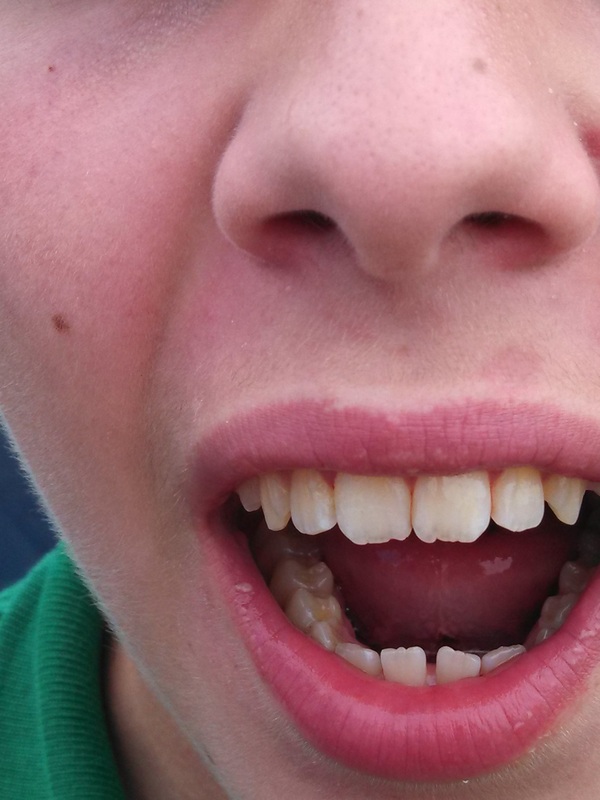
Back in June when we took Ezra to see Dr. Jesse, it was just my husband, Ezra, and I. I had this picture on my phone, and on a whim, I shared it with Dr. Jesse to show the array of palates and tongues we had left at home: 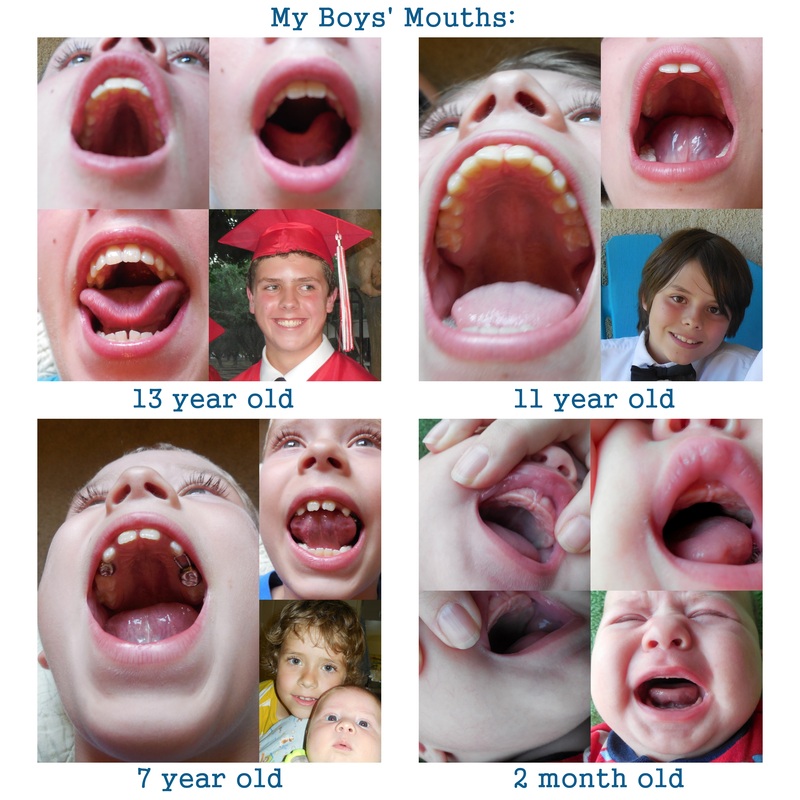 "You see this here?" he pointed to my (then) 13 year old's picture, "His tongue-tie is pulling his bottom two teeth in." Now after my discovery of Ezra's mouth, and then our science project of comparing the other kids via pictures, I was amazed to see Jacob had a tongue-tie. He nursed with ease until the day he quit on his 4th birthday; well, I should say, after his stint in the NICU for 2 weeks, plus a couple of days figuring things out in our own time and space out of the hospital, he nursed with ease. I thought that was it, end of story -- nursing went well, so we didn't need to worry about it now. But I had before noticed in his otherwise lovely mouth of mostly-straight teeth, those two troublesome bottom guys... In hindsight, a tongue like that could have caused a few issues we noticed earlier but were clueless about. Jacob was late to start solids. I offered him rice cereal at four months (it is important to know rice cereal isn't the best first food for babies, I was following mainstream guidelines and assuming since it was marketed for babies, it was best for babies; for more info about that, read here). He gagged so I figured he wasn't ready (again, I was uninformed and looking at the calendar and not the baby when determining if he was ready for food). I would wait a couple weeks and try again; same response with additional behaviors such as coughing, tongue thrust, clamping his mouth shut, and turning his head away. After a few more attempts, I lost interest and let my little sister (then 12 years old) eat it all. When Jacob was 9 months old (and still had no real solids experience) we were eating at our favourite Mexican restaurant. Jacob was large -- 9 pounds, 8 ounces at birth, 20 pounds at 4 months, 30 pounds by a year -- and because of that, we often placed him in the high chair while we dined to keep him at our level and engaged. He never acted interested in food, though. This particular night, he was madly waving his arms and shouting at us, so I offered him a bite of refried beans. Surprisingly, he took the food into his mouth, kept it in, swallowed, and wanted more! We were excited, but it still wasn't full-speed ahead with food -- he didn't really start eating food until about 14 months. Tongue-tied babies can often be slow to eat solids or have other food issues, but I just assumed he wasn't ready and I didn't worry due to his size. I do believe Jacob limited himself to foods he could easily eat and swallow and this shaped his preferences -- he is still a picky eater, and I fully attribute that to his anatomical make-up and how he compensated to ensure he didn't choke or suffer other discomforts while eating. The second sign of how he was being affected by his tongue was the fact that he had extensive decay on his top teeth, necessitating caps at 18 months old. Having a tongue that doesn't move in a full range can cause decay, as the tongue isn't able to move between the teeth and the lips up at the gumline to sweep food out. Coupled with an upper lip tie (restricted upper lip), pockets can form and food and bacteria can become trapped, thereby causing decay despite the best oral hygiene practices. Again, at the time we thought it was a fluke, genetic thing, especially since he hadn't started solids until later. Now I see it makes sense. In light of his history, I recently scoured all the pictures I have of him to try and find evidence of his tongue-tie as a baby -- this is all I have come up with: 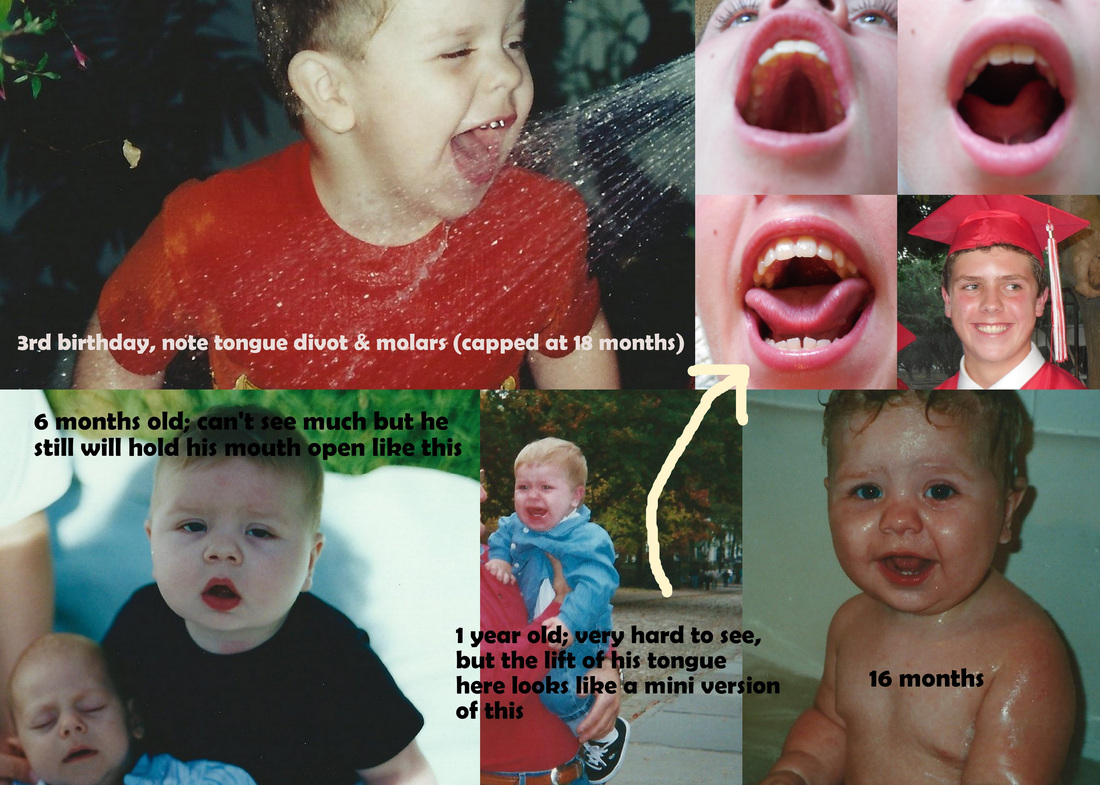 Ties, like black holes, continue to exert that force on the mouth and the teeth if they aren't resolved or released; case-in-point: my husband's parents spent thousands of dollars on orthodontics for him, to only have his bottom teeth move once the braces came off and stopped holding the teeth in proper alignment. I could further prove this with a picture, but my husband doesn't readily allow me to share the inner workings of his body on the internet :). We decided to take yet another trip to see Dr. Jesse and have Jacob's tie revised. We made an overnight trip out of it, with an adventure to the La Brea Tar Pits attached. Dr. Jesse welcomed our whole entourage into the treatment room. While we waited, he ran in to get the laser and said, wheeling it away, "Someone has a canker sore that's needs zapping!" and left, happy to remove this thorn in a patient's mouth. Dr. Jesse came back in to greet us, look in the other boys' mouths, and then get Jacob seated in the chair. He visually and digitally assessed Jacob's tongue function, saw there was no upper lip tie, and explained what he felt we should do for optimal restriction release. Jacob received a numbing shot that needed a few minutes to take effect, and we waited and chatted. Since I held Ezra during the last procedure, it was Brad's turn to hold Jacob (just kidding -- Jacob is 6" tall and wears a 13 shoe). I did say that, though, and it got a good chuckle. What I intended to state was, since I held Ezra and wasn't able to watch the procedure in real time, I stood close to Dr. Jesse's shoulder to get full view of the lasering. It makes sense, but I wasn't quite prepared, that it took about 5 soild minutes to keep swiping the laser over, and over, and over the frenulum. Dr. Jesse would then readjust, regrip, and reapply the laser; soon I realized I didn't need to watch the whole thing. The other children were curious, and Dr. Jesse's assistant invited them over to both have a turn.
After the procedure, Dr. Jesse made sure all the boys (minus Ezra) received popsicles. We took care of the billing ($80), and bid Dr. Jesse farewell. We went in search of lunch and ended up at BJ's Brewhouse. Jacob ordered pizza and ate like a champ, mostly...but as he neared the end of his pizza, his eating got slower. Finally he pushed the last bit away and said he was done. I looked at him an realized he was white as a sheet! That's when it hit me: I should have given him ibuprofen before walking out of Dr. Jesse's office! I let the pain come at full-force as the numbing shot and laser affects wore off. I quickly offered him some analgesics and we hit the road toward LA. We stayed in a hotel, and Jacob and I found a Target to get some provisions (popcorn, hot chocolate, snacks). I threw some Anbesol into the cart, hoping it might help. Jacob threw some popsicles in for good measure. Back at the room, we tried the Anbesol (it stung mightily -- he went and washed it out!), and he decided to keep up with the ibuprofen and popsicles. He had a hard time sleeping that night, but we were away from home, and the distractions were minimal. The next morning his mouth really hurt, but he was able to drink some hot chocolate with his brothers: 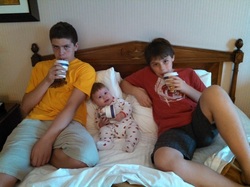 We headed off for the day and had a great time at the tar pits. Jacob did experience pain intermittently, and we kept up with the ibuprofen (see a theme here?). For lunch we went to the Cheesecake Kitchen. Jacob ate a hamburger okay, and then the five of us shared three pieces of cheesecake (he had no trouble with that!).
For the next few days, his mouth hurt. Looking back now and reading other adults' accounts of their revisions, I wonder if we could have dissected a bit more what the pain felt like to get to the root of what might have been causing that sensation. As in childbirth, when you throw all the "pain" together in bucket, it is read as PAIN, but when you break down where the sensation is coming from it not only makes it easier to cope with, it helps us to know why it's there. I am sure he was feeling soreness at the site, but was he also feeling tenderness as his tongue moved in ways it never before was able? Was any of that the after-effects of tensing during the procedure, which caused lactic acid build up he was feeling now? Referred pain signals to areas that weren't even affected? All we knew was, he called it pain, and we treated it as such. There is science behind controlling pain for speedier healing, so I am not opposed to doing what works for him. Being that he is the size of a grown man, his frenulum was thicker and required more time to release. I am trying to get him to write up his experience in his own words, but that may take some bribery on my part, or extra credit on his English teacher's part. But who knows, maybe it'll turn up and you can read how he felt about being tongue-tied and then released?  You know how they say, “Wear sunscreen? Well, let me be your cautionary person-writing-this-blog-post and say, up front, WEAR YOUR SUNSCREEN. On that note of “The more you know” (did you just hear the music?), let me also share that we need to watch our skin for more than just those changing moles we always hear about. Yesterday I had a Mohs procedure on a superficial basal cell carcinoma on my face (yes, skin cancer). My only clue this was something that needed attention was the fact that, all summer, I had this spot on my nose that would scab up for a week or so, and then heal. Scab, then heal. Scab, then heal. It was a shiny piece of flesh-colored skin that maybe looked a bit callused – no pigmentation, no mole appearance, just a regular area of skin that looked and behaved a little differently. A visit to my dermatologist revealed it was problematic, and that leads us to the Mohs procedure. In order to fully get the root of the tumor, a Mohs surgery can be lengthy. The skin is numbed, the surgeon draws, and then they cut. They take that piece of tissue and essentially put a cross-hair on it, mapped to match the area from where it was removed. This is examined to see if all the bad cells are gone (I never said I was an expert). If they see anything remaining on the sample, they know exactly where the offending tissue lies; my surgeon had to come back one more time in true, if-at-first-you-don’t-succeed fashion. There is a wait time of 30 minutes between each sample, which is why this isn’t generally an in-and-out procedure. After this was all taken care of, I expected my doctor would just swab some antibiotic ointment and slap a cutesy Band-Aid on and that would be it. But I was wrong. I actually had to go to a different part of the building. “I’ll meet you over there, “ my handsome, thirty-something, Mediterranean (Middle-Eastern? Spanish? Who knows) hunky doctor said. Then a nurse walked me through some doors, shoved some things into my arms, and said, “Go ahead and put your clothes in the bag.” Um, what? I am just getting my nose bandaged!? What’s going on? In the shock of suddenly realizing I needed to strip down, I couldn’t remember if the gown was to open in the front or the back. I tried it one way, spun it around, then twisted it back the first way. Finally with it half on, fabric clenched in my hands to cover my behind, I stuck my head out to call, “Hey, what’s the story on the gown? Open in the front or the back?” The back, definitely the back. I continued with my booties and the ever-lovely surgical hair-net thing. I was placed in a bed and my nurse brought me a warm blanket -- other accoutrements included an automatic blood pressure cuff, and a pulse ox on my right index finger. My nurse sat and chatted with me for a bit, over such everyday topics as allergies to any drugs (none), was I supposed to take my bra off, because I did (there are so few places outside of one’s own home where I can do this, so why not? But no, it was not required), and the fact that we both were breastfeeding mothers (can’t remember how that came up). I was actually wheeled, wheeled, I say! into the surgery (that sounds so Doc Martin, but unlike the European definition, this was the place in the surgery center where they do surgeries, not the office where docs do visits). When my doctor came in, I was kind enough to remind him that it had been a couple hours since last my nose was bee-stinged beyond feeling, so I would love some more drugs to numb that region. Here is the comment that started it all: “I think I have a pretty high pain tolerance, but I don’t want to feel this if I don’t have to.” His response was, “Oh, why do you think that?” I shared I had 4 babies with no pain meds. He and the two nurses all gasped. Oh, I had one more coming, “And the last one was born at home.” My nurse fainted to the floor. Okay, not really. But I they were still abuzz with a lot of questions, that all sounded like “Why?” (Let me come down off my high-horse now.) “I wasn’t planning to have my first without pain meds. In fact, I said, ‘I have seen women give birth naturally, I think it’s pretty crazy; I am totally getting an epidural.’ Well fast-forward to an unneeded induction, and I wasn’t able to get an epidural. My fear of throwing up won out over my fear of having a baby, so I somehow was able to give birth to my first baby without an epidural or narcotics. It took some time to work through mentally, but eventually, I was happy about it.”  By this time in the surgery, my bed has been lifted up, the doctor has cleaned the left, upper quadrant of my face with iodine, my eyes stinging from the closeness of the fumes, and my face has been covered with a piece of paper with a circle cut out of it so only my nose is exposed.
I continued on…“With my second baby, I wondered what could birth be like if I actually planned to not use any medications? I got a midwife who delivered in the hospital, and I waited to go into labor on my own. Third baby, the same. Fourth baby, we moved here, there were no hospital-based midwives, so I found a licensed midwife who came to our home to help us have our baby there.” “Why would someone choose to not have pain medications? It is painful to have a baby!” he stated, with much authority (at this point, I did question how he knew this, had he ever experienced it? To which he conceded, no, but he had seen it a lot). So I asked him this: “Why would someone choose to climb Mt Everest?” “That’s different,” came his reply, “I can understand that. You want to see what you are able to accomplish physically. You are challenging your body, working toward a goal...” My pulse-ox’d finger interrupted him, pressing, pressing on its imaginary quiz-show buzzer – or maybe it was my voice -- “DING DING DING! You got it!” I couldn't see him because my face was covered, but his hands paused in their stitching. “I…could see that,” he came around, slowly. The hands resumed their stitching. “I am not sure what the big deal is about drug-free birth though. There is so much pressure to have a natural birth, but we don’t have the longitudal studies that show epidurals, or even c-sections, have life-long health risks.” On the spot, under the cover of plastic-y-paper, I couldn’t think of anything incredible to counter with. I did cite that babies born via cesarean birth have higher levels of allergies, and that was about all I could think of. I joined him, then, because I do feel it’s the truth, “There is a lot of pressure for women to go all natural, I see that. It is very similar to the pressure we put on women to breastfeed -- ” Okay, this is when he cut me off! “ – But those stats are there, we know breastfeeding is beneficial, we have that information.” Interesting! Super, hard-cord breastfeeding advocate, not so much on the normal birth platform! I decided, since I couldn’t present any compelling evidence-based studies or data from Cochrane, I would just keep it simple and stick with his line of thinking. “We are humans, though, and we know as mammals, breastmilk is the optimal, species-specific diet for our newborns.” He agreed. "Doesn’t it stand to reason, then, that vaginal birth, as unhindered as possible, is the norm for us as well? And even though we have the option for epidurals and cesarean births, that vaginal birth would provide the most optimal way for our babies to be born?” Honestly, I can’t remember what he said after that, only I know he wasn’t trying to refute anything. The cover was lifted off my face and it was time for the nurses to step in and dress my wound. As he stepped back to let them take over, he asked, “Are you a medical professional?” I paused before my answer, and then said, “No, I am a birth doula, a childbirth educator, and a La Leche League Leader.” He shook my hand, nodded his head to me, and then departed to fill out my discharge papers. What fun! It made all those 5 bee stings to the nose worth it. I can actually say, due to that conversation, I rather enjoyed my day at the dermatologist. The staff was incredible and attentive (and I am assured my scar will be minimal). You never know where great birth conversations will happen! But the opportunity to have 20 minutes, one-on-one with a surgeon (albeit a derm surgeon), was pretty darn fun. |
My Life...♥ four young boys and a boy dog (offspring) Categories
All
Archives
July 2020
|















 RSS Feed
Stacie Bingham, LCCE, CD(DONA), CBS(LER)Calm, comfortable Lamaze education & experienced support for pregnancy, birth, & breastfeeding serving Bakersfield, Delano, Hanford, Porterville, Tehachapi, Tulare, Visalia + the World
661.446.4532 stacie.bing@gmail.com |

|

